L-arginine has gained popularity in recent years as a supplement for better heart health, improved workout performance, and enhanced circulation. Many people wonder: is 1000mg of L-arginine daily enough — and more importantly, is it safe?
This article explores the science, safety, and benefits of taking 1000mg of L-arginine daily. We’ll also compare different dosages, highlight its advantages for men and women, and share natural ways to increase your L-arginine intake without always relying on supplements.
What Is L-Arginine?
L-arginine is a semi-essential amino acid, meaning your body produces some, but additional intake through diet or supplements can be beneficial. It serves as a precursor to nitric oxide (NO) — a molecule that relaxes blood vessels, improves circulation, and plays a critical role in cardiovascular and athletic performance.
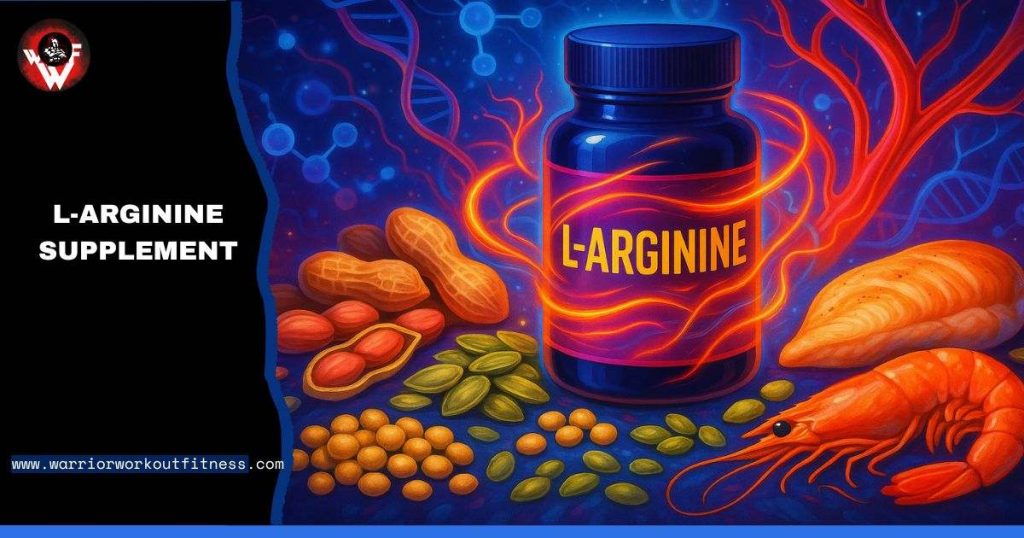
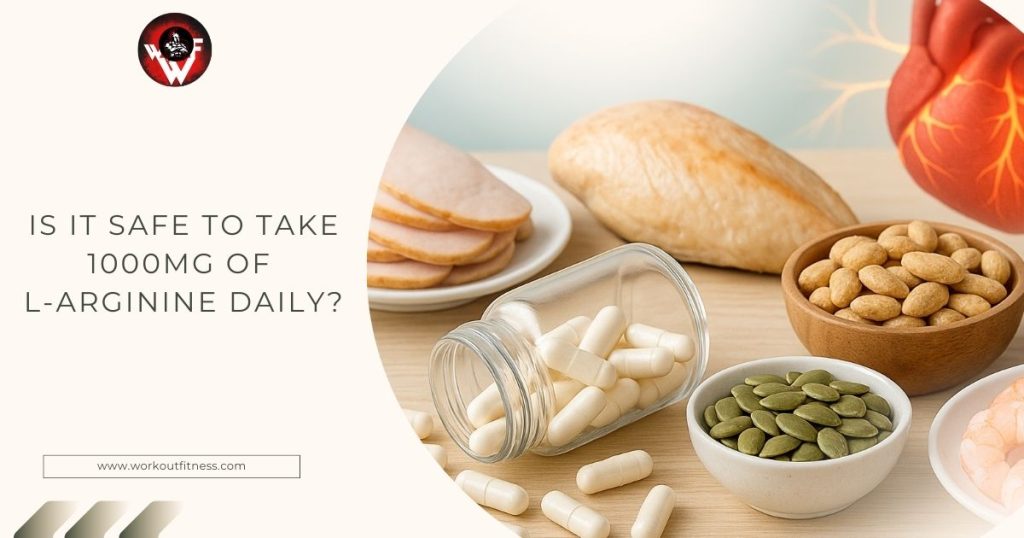
It is naturally found in protein-rich foods such as turkey, chicken, soy, peanuts, pumpkin seeds, and seafood. Many people, however, use L-arginine supplements to boost specific health outcomes.
Is 1000mg L-Arginine Dose Safe?
Yes, research indicates that 1000mg (1g) of L-arginine daily is safe for most healthy adults.
- A Journal of Nutrition (2002) review noted that daily intakes ranging from 1g to 9g were generally well tolerated.
- The Mayo Clinic confirms that up to 20g daily has been studied without severe adverse effects, though mild gastrointestinal discomfort may occur at higher doses.
- The European Food Safety Authority (EFSA, 2016) also considers 3g–9g safe for supplementation, meaning 1000mg is a conservative, entry-level dose.
You May Also Read : L-Arginine Benefits
How Different L-Arginine Dosages Compare
| Dosage | Common Use Case | Scientific Findings | Safety Notes |
|---|---|---|---|
| 1000mg (1g/day) | Entry-level supplementation, circulation support | Safe and well tolerated; supports nitric oxide production (Journal of Nutrition, 2002) | Rare side effects; suitable for beginners |
| 3000mg (3g/day) | General wellness, light fitness recovery | Helps improve vascular function and supports immune health | Still considered safe for most healthy adults |
| 6000mg (6g/day) | Blood pressure management, mild ED support | Journal of Clinical Hypertension (2005) and Cochrane Review (2017) report measurable improvements | May cause mild GI upset in some individuals |
| 9000mg (9g/day) | Advanced fitness performance, endurance training | Used in exercise studies (Frontiers in Physiology, 2017); boosts recovery and stamina | Safe short-term, but higher chance of stomach discomfort; not needed for casual use |
👉 Summary: 1000mg is safe and effective as a daily maintenance dose, but higher dosages (3g–6g) are typically studied for targeted benefits such as blood pressure support, exercise performance, or erectile dysfunction.
Potential Benefits of 1000mg L-Arginine
Taking 1000mg of L-arginine daily may offer benefits such as:
- Supporting healthy circulation and blood flow
- Assisting with mild blood pressure regulation
- Aiding immune system function
- Promoting exercise recovery and endurance
- Providing skin and tissue repair support
While benefits at this lower dose may be subtle, consistent use over time contributes to overall vascular and metabolic health.
You May Also Read : Side Effects of Taking Arginine Alpha Ketoglutarate (AAKG)?
Benefits of 1000mg L-Arginine for Men
For men, 1000mg of L-arginine daily can provide targeted advantages:
- Circulation and heart health: Supports vascular relaxation and healthy blood pressure.
- Erectile function: Low doses may help mild cases by improving nitric oxide activity.
- Fitness recovery: Assists in reducing post-workout fatigue and soreness.
- Hormonal support: Some evidence suggests arginine may influence growth hormone secretion, aiding muscle maintenance.
Benefits of 1000mg L-Arginine for Women
For women, 1000mg daily can deliver distinct benefits:
- Improved circulation: Supports blood flow and cardiovascular health.
- Reproductive support: May improve uterine blood flow, which can benefit fertility.
- Skin and anti-aging: Enhances nutrient delivery for healthier skin and wound healing.
- Exercise recovery: Supports endurance and reduces muscle soreness after training.
- Immune function: Plays a role in immune defense, helpful during stress or illness.
You May Also Read : L-Arginine Supplement
Possible Side Effects of L-Arginine
At 1000mg daily, side effects are rare. However, higher doses (6g+) can sometimes cause:
- Bloating or mild stomach discomfort
- Nausea or diarrhea in sensitive individuals
People with kidney disease, liver disease, or low blood pressure should consult a doctor before supplementation. Additionally, those taking medications for hypertension or erectile dysfunction should exercise caution, as L-arginine can amplify their effects.
How to Increase L-Arginine Naturally
If you prefer not to rely on supplements, you can raise your L-arginine levels naturally through diet and lifestyle:
- Eat arginine-rich foods: Turkey, chicken, soy, peanuts, pumpkin seeds, lentils, dairy, and seafood.
- Prioritize balanced protein intake: Lean proteins provide amino acids needed for arginine synthesis.
- Exercise regularly: Physical activity enhances nitric oxide pathways.
- Rest and recover: Adequate sleep helps optimize amino acid utilization.
👉 These natural strategies can provide enough L-arginine for most people without requiring high-dose supplements.
Who Should Consider 1000mg Daily?
- Beginners exploring supplementation for general health.
- Adults wanting subtle support for circulation and immunity.
- Fitness enthusiasts who want a safe, entry-level performance booster.
- Men or women with mild blood pressure concerns who are not yet ready for higher doses.
Frequently Asked Questions (FAQs)
1. Is 1000mg of L-arginine enough to see benefits?
Yes. While higher doses (3–6g) are often studied for conditions like hypertension or erectile dysfunction, 1000mg daily can still improve circulation, support immune function, and aid in mild exercise recovery. It’s a safe starting point for beginners.
2. Can I take L-arginine every day?
Yes. Research shows that daily supplementation of 1–9g is generally safe for healthy adults. A dose of 1000mg daily is considered low and well tolerated, making it safe for long-term use when guided by a healthcare professional.
3. Does L-arginine improve workouts at 1000mg?
At 1000mg, the performance benefits may be subtle. However, consistent intake supports nitric oxide production, which helps blood flow and oxygen delivery. Athletes often use higher doses (3–6g), but 1000mg can still aid endurance and recovery over time.
4. Who should avoid L-arginine supplements?
Individuals with low blood pressure, kidney disease, liver disease, or those taking medications for heart conditions or erectile dysfunction should consult a doctor before supplementing. L-arginine can interact with certain drugs.
5. Can I increase L-arginine naturally through diet?
Absolutely. Foods like turkey, chicken, peanuts, soybeans, pumpkin seeds, and lentils are rich in arginine. A balanced diet plus regular exercise naturally supports nitric oxide levels, reducing the need for high-dose supplements.
Conclusion
Taking 1000mg of L-arginine daily is a safe and effective way to support overall health, circulation, and exercise recovery. While higher doses may be required for more targeted benefits such as lowering blood pressure or boosting workout performance, a consistent 1000mg dose can still make a meaningful difference in both men and women. Combined with a balanced diet, good sleep, and regular exercise, this dosage can serve as a reliable entry point into supplementation. As always, consulting a healthcare professional ensures the dosage is right for your individual health needs.
References
- Mayo Clinic. “L-arginine.” Mayo Clinic
- Bode-Böger SM, Böger RH, Galland A, Tsikas D, Frölich JC. “L-arginine-induced vasodilation in healthy humans: pharmacokinetic–pharmacodynamic relationship.” Br J Clin Pharmacol. 1998.
- McNeal CJ, Meininger CJ, Reddy D, Wilborn CD, Wu G. “Safety and effectiveness of arginine in adults.” J Nutr. 2002.
- Maxwell AJ, Anderson BE, Cooke JP. “Nutritional therapy for peripheral arterial disease: a double-blind, placebo-controlled, randomized trial of L-arginine.” J Am Coll Cardiol. 2000.
- Chin-Dusting JP, et al. “Effect of L-arginine on vascular reactivity and blood pressure in normotensive men.” Clin Exp Pharmacol Physiol. 1996.
- Food Safety Authority of the European Union (EFSA). “Scientific opinion on the safety of L-arginine.” 2016.
- Bailey SJ, et al. “L-arginine supplementation and exercise metabolism.” Front Physiol. 2017.
About The Author