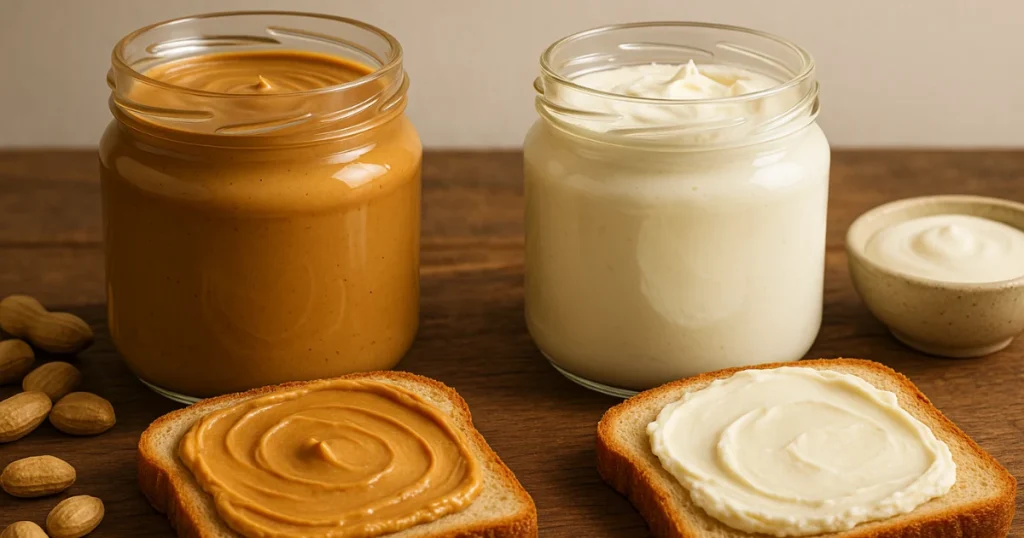
When it comes to spreads, two heavyweights often battle for the top spot: peanut butter and white butter. Both are staples in many households, but how do they stack up against each other? Are they really as similar as we think? Or is there a significant difference that could affect your health, taste buds, or lifestyle? In this article, we’ll explore the nuances between peanut butter and white butter in terms of taste, nutritional value, health benefits, and uses.
Introduction: Peanut Butter vs White Butter
Butter lovers and peanut butter enthusiasts often find themselves in a dilemma—should you slather your toast with creamy peanut butter or go classic with white butter? It’s not just about the taste but also about health, sustainability, and cultural preferences. This article will give you a deep dive into each spread, helping you understand which is better suited for your lifestyle.
What is Peanut Butter?
Ingredients of Peanut Butter
Peanut butter is made from ground roasted peanuts, sometimes mixed with additional ingredients such as sugar, salt, and oils. The level of added ingredients varies by brand and type of peanut butter (smooth or crunchy).
Types of Peanut Butter
- Smooth Peanut Butter: Creamy and easy to spread, this variety is the go-to for most peanut butter lovers.
- Crunchy Peanut Butter: For those who love a bit of texture in their spread.
- Natural Peanut Butter: Contains only peanuts (and sometimes salt), with no added sugar or hydrogenated oils.
What is White Butter?
Ingredients of White Butter
White butter is traditionally made from cream that is churned, often from milk. Unlike yellow butter, which gets its color from added carotene, white butter remains pale. It may also contain a pinch of salt, but its base ingredient is always milk fat.
Traditional Uses of White Butter
White butter is commonly used in Indian cuisine, particularly in the preparation of chapatis, parathas, and as a topping for bread or rice. It is also part of many dairy-based desserts and snacks.
Nutritional Value Comparison of Peanut Butter vs White Butter
Calories and Fat Content
- Peanut Butter: Typically contains around 90–100 calories per tablespoon, with most of the calories coming from healthy fats, such as monounsaturated and polyunsaturated fats.
- White Butter: White butter is richer in saturated fats and contains around 100 calories per tablespoon. It’s high in cholesterol and fat content, making it a more calorie-dense option.
Proteins and Carbohydrates
- Peanut Butter: Peanut butter is an excellent source of protein, with about 3-4 grams of protein per tablespoon. It also contains a small amount of carbohydrates (around 2–3 grams per tablespoon).
- White Butter: White butter, on the other hand, is virtually free of carbohydrates and contains minimal protein. It’s mostly made of fats.
Vitamins and Minerals
- Peanut Butter: Rich in vitamins like Vitamin E, B6, and niacin, peanut butter also contains minerals such as magnesium, potassium, and phosphorus.
- White Butter: White butter provides fat-soluble vitamins like Vitamin A and Vitamin D. However, its nutritional content is more limited compared to peanut butter.
Health Benefits: Peanut Butter vs White Butter
Peanut Butter: Healthier Choice?
Peanut butter can be a healthier option due to its rich content of healthy fats, fiber, and protein. The natural version, which has no added sugar or hydrogenated oils, provides a great energy boost and keeps you fuller for longer.
White Butter: Traditional Goodness
White butter, while a source of essential fats, is also high in saturated fats, which can raise cholesterol levels if consumed in excess. However, it provides quick energy, and its rich, creamy texture is often preferred in various traditional dishes.
Which One is Better for Weight Loss?
Peanut butter can be a great option for weight loss when consumed in moderation. Its healthy fats and high protein content help curb hunger and provide sustained energy. White butter, while delicious, is calorie-dense and should be used sparingly for those watching their weight.
Taste and Texture: A Battle of Flavors
- Peanut Butter: Has a rich, nutty taste that pairs well with sweet and savory foods. Its texture can range from creamy to crunchy.
- White Butter: Has a smooth, rich flavor, often considered to be more indulgent and is widely used in cooking due to its versatility.
How to Use Peanut Butter
Peanut butter is incredibly versatile and can be used in sandwiches, smoothies, cookies, and even as a topping for pancakes or waffles. You can also add it to savory dishes like stir-fries and dips.
How to Use White Butter
White butter can be spread on bread or used to enhance the flavor of various dishes like rice, lentils, or chapati. It’s often used in Indian cuisine for making parathas or as a garnish for curries and other meals.
Is Peanut Butter Better for Vegans?
Yes, peanut butter is typically vegan, especially the natural variety. White butter, however, is made from milk, which makes it unsuitable for vegans.
Environmental Impact: Sustainability and Production
- Peanut Butter: Peanuts are a relatively sustainable crop, requiring less water compared to other nut crops. The production of peanut butter has a lower carbon footprint compared to dairy products.
- White Butter: Dairy production for butter has a significant environmental impact, contributing to greenhouse gas emissions and requiring more water and land resources.
Price and Availability
Peanut butter is generally more affordable and available in most grocery stores, with various brands to choose from. White butter can be more expensive depending on where you live, especially if you opt for artisanal or organic versions.
Allergies and Sensitivities
- Peanut Butter: Peanut butter is not suitable for those with peanut allergies. It can also cause reactions in individuals with legume sensitivities.
- White Butter: White butter contains dairy, so it’s unsuitable for those who are lactose intolerant or allergic to milk proteins.
Read This Also : Frozen Yogurt: The Sweet, Tangy Treat
Peanut Butter vs White Butter: Which One Should You Choose?
Choosing between peanut butter and white butter depends on your dietary preferences, health goals, and the intended use. Peanut butter is often the healthier choice, especially for those looking for a nutritious, plant-based option. White butter, on the other hand, offers a traditional flavor that’s hard to beat but should be enjoyed in moderation.
Conclusion
In the peanut butter vs white butter debate, both spreads have their place in the kitchen. While peanut butter offers numerous health benefits, including protein and healthy fats, white butter brings a rich and creamy texture to a wide variety of dishes. Ultimately, the choice depends on your personal preferences, health goals, and dietary needs.
FAQs
1. Is peanut butter healthier than white butter?
Yes, peanut butter is generally considered healthier due to its higher protein content, healthy fats, and vitamins.
2. Can I use peanut butter for cooking?
Absolutely! Peanut butter can be used in both savory and sweet dishes, such as stir-fries, smoothies, and desserts.
3. Is white butter good for weight loss?
White butter is high in calories and saturated fats, making it less suitable for weight loss compared to peanut butter.
4. Can peanut butter be vegan?
Yes, peanut butter is typically vegan, especially if it’s natural without any added dairy products.
5. Does white butter have a lot of cholesterol?
Yes, white butter is high in cholesterol and saturated fats, which can raise your blood cholesterol levels if consumed excessively.
About The Author