
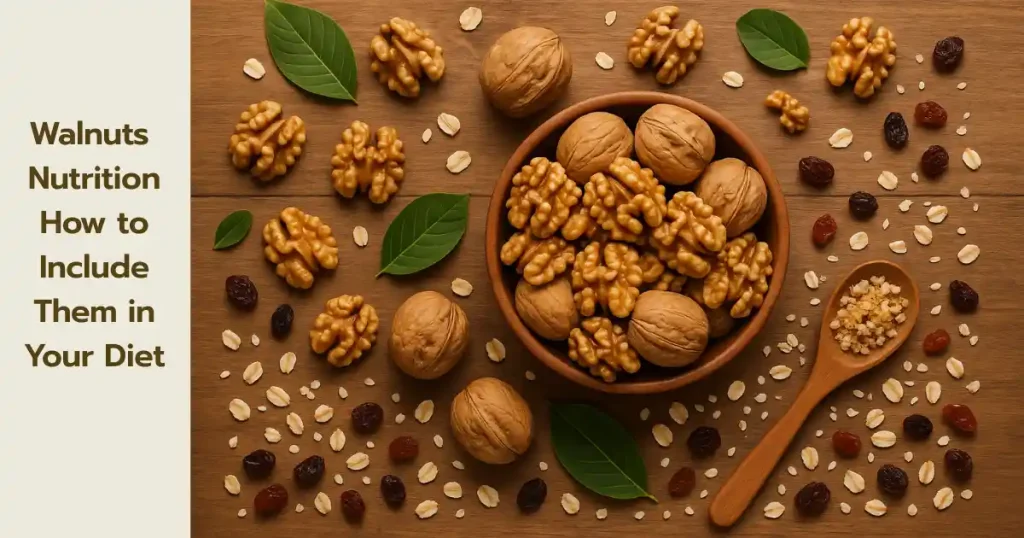
In recent years, walnuts have gained a solid reputation as a superfood, and for good reason. Packed with essential nutrients, antioxidants, and healthy fats, walnuts support everything from heart health to brain function and weight management. But what exactly makes these nuts such a powerhouse of nutrition?
In this article, we’ll explore the nutritional breakdown of walnuts, their evidence-based health benefits, and expert suggestions on how to incorporate them into your daily meals. Whether you’re following a plant-based diet, looking to reduce cholesterol, or just aiming for better overall wellness, walnuts deserve a spot in your kitchen.
Walnuts Nutrition at a Glance
Here’s a nutritional snapshot of 1 ounce (28 grams) of raw English walnuts (about 14 halves):
| Nutrient | Amount | % Daily Value (DV) |
|---|---|---|
| Calories | 185 kcal | 9% |
| Total Fat | 18.5 g | 28% |
| Saturated Fat | 1.7 g | 8% |
| Polyunsaturated Fat | 13.4 g | — |
| Monounsaturated Fat | 2.5 g | — |
| Omega-3 ALA | 2.5 g | 156% |
| Protein | 4.3 g | 9% |
| Carbohydrates | 3.9 g | 1% |
| Fiber | 1.9 g | 7% |
| Magnesium | 45 mg | 11% |
| Phosphorus | 98 mg | 10% |
| Copper | 0.45 mg | 50% |
| Manganese | 1.0 mg | 48% |
Key Highlight: Walnuts are one of the richest plant-based sources of omega-3 fatty acids, especially alpha-linolenic acid (ALA), which is essential for heart and brain health.
Read this also : How To Make Gond Katira and Its Benefits
Top 10 Health Benefits of Walnuts (Backed by Science)
1. Boost Heart Health
Multiple studies show that consuming walnuts regularly can help reduce LDL (bad) cholesterol, increase HDL (good) cholesterol, and improve blood vessel function. Their omega-3s, antioxidants, and polyphenols make them incredibly heart-friendly.
Research Evidence:
A 2021 study published in the Circulation journal found that daily walnut consumption improved cardiovascular health markers over two years.
2. Support Brain Function
Walnuts are often referred to as “brain food” — and not just because of their shape. They contain vitamin E, folate, antioxidants, and polyunsaturated fats, all of which support cognitive function and may reduce the risk of neurodegenerative diseases.
Tip: Including walnuts in a Mediterranean or MIND diet may reduce the risk of Alzheimer’s disease.
3. Aid in Weight Management
Despite being calorie-dense, walnuts may actually help with appetite control and satiety. Their fat-fiber-protein combo helps you feel full longer, reducing unnecessary snacking.
Fact: A randomized controlled trial in Obesity journal showed that walnut eaters experienced greater satiety and improved food choices compared to non-walnut eaters.
4. Improve Gut Health
Walnuts are rich in prebiotics, compounds that feed your beneficial gut bacteria. Eating walnuts regularly has been linked to a healthier gut microbiome and reduced inflammation.
Study Insight: A 2018 study from The Journal of Nutrition found that walnut consumption increased the abundance of beneficial gut bacteria like Lactobacillus and Ruminococcaceae.
5. Regulate Blood Sugar Levels
Walnuts have a low glycemic index and their healthy fat and fiber content slows glucose absorption, making them a smart choice for people with type 2 diabetes or insulin resistance.
6. Reduce Inflammation
Chronic inflammation is at the root of many diseases, including cancer, diabetes, and heart disease. Walnuts contain polyphenols, especially ellagitannins, which combat oxidative stress and inflammation.
7. Promote Male Fertility
Research has shown that a diet rich in walnuts can improve sperm quality, motility, and morphology due to their omega-3s and antioxidants.
8. Enhance Skin and Hair Health
Walnuts are a great source of biotin, vitamin E, and omega-3 fatty acids, all of which contribute to glowing skin and strong, healthy hair.
9. Cancer-Fighting Properties
The antioxidants and polyphenols in walnuts may help slow the growth of certain cancer cells, particularly breast and prostate cancer, according to early studies.
10. Bone Strength and Joint Support
With minerals like magnesium, phosphorus, and manganese, walnuts help support bone mineral density and may reduce the risk of osteoporosis in the long term.
Read this also : How Are Fats Digestion in Our Bodies? Where Does This Process Take Place?
How Many Walnuts Should You Eat Per Day?
Experts recommend eating 1 to 1.5 ounces (28–42 grams) of walnuts daily. That’s about 14–20 halves. This amount provides sufficient omega-3s, fiber, and antioxidants to gain health benefits without excessive calories.
Pro Tip: To maximize benefits, consume raw or dry-roasted walnuts without added salt or sugar.
Best Ways to Add Walnuts to Your Diet
Here are some healthy and creative ways to enjoy walnuts daily:
 Morning Boost
- Add chopped walnuts to your oatmeal or Greek yogurt
- Blend into smoothies with banana, spinach, and almond milk
Lunch Ideas
- Toss walnuts into salads with arugula, beets, and goat cheese
- Use crushed walnuts in wraps or whole grain sandwiches
Snack Smart
- Combine walnuts with dried fruits for a homemade trail mix
- Pair with apple slices or dates for a sweet-salty combo
Dinner Twists
- Use ground walnuts in vegan taco meat or pasta sauces
- Top roasted vegetables or soups with walnut crumble
Dessert Hacks
- Mix into banana bread, brownies, or homemade granola bars
- Dip in dark chocolate for a heart-healthy indulgence
Walnuts vs. Other Nuts: Nutritional Comparison
| Nut Type | Calories (28g) | Protein | Fat | Omega-3 (ALA) | Fiber |
|---|---|---|---|---|---|
| Walnuts | 185 | 4.3 g | 18.5 g | 2.5 g | 1.9 g |
| Almonds | 164 | 6.0 g | 14 g | 0 g | 3.5 g |
| Cashews | 157 | 5.2 g | 12 g | 0 g | 0.9 g |
| Pistachios | 159 | 6.0 g | 13 g | 0 g | 3.0 g |
| Hazelnuts | 178 | 4.2 g | 17 g | 0 g | 2.7 g |
Key Takeaway: Walnuts stand out for their high ALA content, making them the best nut for omega-3 intake.
Potential Downsides and Precautions
While walnuts are highly nutritious, here are a few considerations:
- Calorie-dense: Overeating can lead to weight gain.
- Nut allergies: Avoid if you’re allergic to tree nuts.
- Rancidity risk: Store in an airtight container in the fridge to preserve freshness.
Conclusion: Are Walnuts Worth Adding to Your Diet?
Absolutely. With their unique nutrient profile, high omega-3 content, and proven health benefits, walnuts are among the best foods to support longevity, brain health, heart function, and more.
Whether you’re a fitness enthusiast, managing a health condition, or just want to eat smarter, walnuts can play a vital role in your wellness journey. Just a handful a day can make a significant impact.
FAQs About Walnuts Nutrition
1. Are walnuts better raw or roasted?
Raw walnuts retain more nutrients, especially omega-3s. Dry roasting is okay, but avoid oil-roasted varieties.
2. Can walnuts help in weight loss?
Yes. Despite being high in fat, walnuts increase satiety and may reduce cravings.
3. Are walnuts safe for people with diabetes?
Yes. Walnuts have a low glycemic index and can help stabilize blood sugar.
4. How should walnuts be stored?
Store in an airtight container in the refrigerator or freezer to prevent rancidity.
5. Do walnuts go bad?
Yes. Due to their fat content, they can go rancid. Check for bitter taste or smell before use.
About The Author