
Introduction
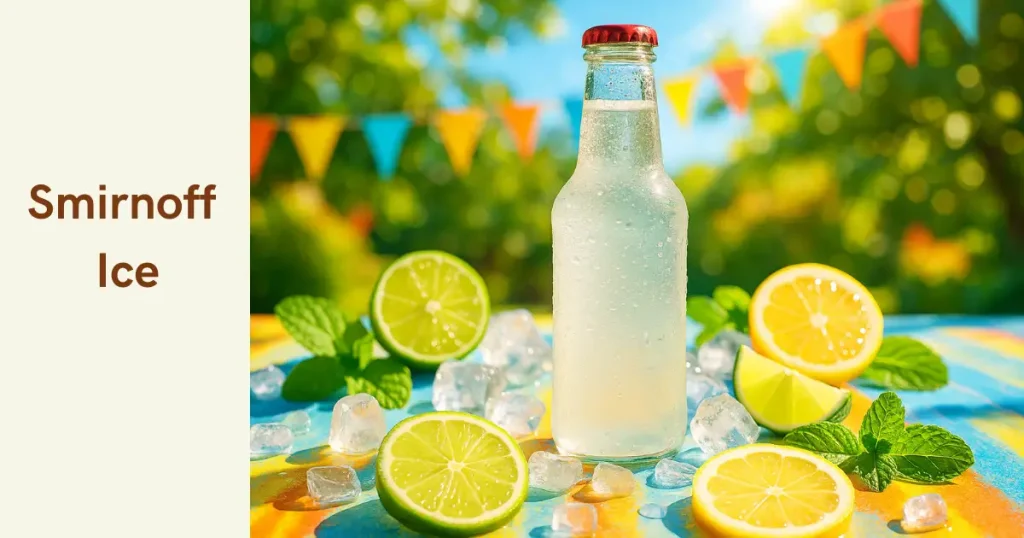
Smirnoff Ice is one of the most recognized ready-to-drink (RTD) alcoholic beverages worldwide. Marketed for its refreshing citrus flavor and low alcohol content, it’s especially popular at parties, casual hangouts, and summer get-togethers.
But is it just a fun drink, or should you be concerned about what’s inside that frosty bottle? In this article, we’ll break down the nutrition facts, alcohol content, ingredients, and health considerations of Smirnoff Ice—so you can make informed decisions whether you’re counting calories or moderating your alcohol intake.
What Is Smirnoff Ice?
Despite being part of the Smirnoff brand, which is globally known for vodka, Smirnoff Ice is not a vodka-based beverage in most markets (including the U.S.). Instead, it’s a flavored malt beverage (FMB)—meaning it’s brewed more like beer but tastes like a light citrusy soda with a hint of alcohol.
Alcohol Content
- 4.5% Alcohol by Volume (ABV) in most versions
- Comparable to a light beer
Because of its lower ABV, it’s often seen as a beginner-friendly or lighter alcohol option.
Smirnoff Ice Nutrition Facts (Per 330 ml bottle)
| Nutrient | Amount |
|---|---|
| Calories | 228–245 kcal |
| Total Carbohydrates | 32–36 grams |
| Sugar | 25–30 grams |
| Alcohol | 4.5% ABV |
| Fat | 0 grams |
| Protein | 0 grams |
Key Takeaways:
- High in sugar: A single bottle can contain as much sugar as a can of soda.
- Empty calories: No fats or proteins, which means minimal nutritional value.
Ingredients in Smirnoff Ice
The ingredients can vary slightly by region, but the standard formulation typically includes:
- Carbonated Water
- High Fructose Corn Syrup or Cane Sugar
- Natural and Artificial Flavors (Lemon, Lime, Citrus)
- Sodium Benzoate (Preservative)
- Citric Acid (For tartness)
- Malted Barley (in some versions)
- Food Coloring (varies by variant)
Note: U.S. versions are brewed like beer, while in some countries (e.g., Canada or parts of Europe), Smirnoff Ice may contain actual vodka.
Read this also : Sugarcane Juice Nutrition: Can It Help with Fat Loss or Muscle Building?
Is Smirnoff Ice Bad for You?
1. Sugar Content
The high sugar content is the most concerning nutritional factor. Regular consumption can lead to:
- Weight gain
- Increased risk of type 2 diabetes
- Blood sugar spikes
2. Alcohol Risks
Even though it’s low in alcohol, overconsumption can:
- Affect liver health
- Contribute to dehydration
- Impair judgment and motor skills
3. Empty Calories
Drinks like Smirnoff Ice provide calories with no satiety, which can easily lead to overconsumption without you feeling full—bad news if you’re trying to lose weight.
When Can Smirnoff Ice Fit Into a Healthy Lifestyle?
If you’re looking to enjoy Smirnoff Ice occasionally and within moderation, here are some tips:
- Stick to 1 bottle: Don’t exceed more than one in a session if watching weight or sugar intake.
- Balance your day: Avoid other high-sugar items on the same day.
- Stay hydrated: Alcohol dehydrates you, so drink water alongside.
Better Alternatives to Smirnoff Ice
If you’re seeking lower-sugar or lower-calorie options, consider:
- Hard seltzers (e.g., White Claw): ~100 calories, low carbs
- Vodka + soda water + lemon: Customizable and low-calorie
- Light beers: Often have fewer calories and less sugar
Who Should Avoid Smirnoff Ice?
1. Diabetics or Pre-diabetics
Due to its sugar content, this drink is not advisable for individuals managing blood sugar levels.
2. Weight Watchers
If you’re on a fat-loss journey, Smirnoff Ice may disrupt your calorie goals.
3. People with Gluten Sensitivity
Some Smirnoff Ice versions use malted barley, making them unsuitable for gluten-intolerant individuals (unless labeled gluten-free).
Final Verdict: Enjoy with Caution
Smirnoff Ice is tasty and refreshing, no doubt—but it’s best enjoyed in moderation. Its high sugar content and lack of nutritional value make it an occasional treat rather than a regular indulgence. For health-conscious individuals, there are many better beverage options that won’t sabotage your goals.
FAQs
Q: Does Smirnoff Ice contain vodka?
A: In most countries like the U.S., Smirnoff Ice is a malt beverage and does not contain vodka. In Canada and parts of Europe, some versions do include vodka.
Q: Is Smirnoff Ice gluten-free?
A: Not always. Most versions brewed from malted barley are not gluten-free. Check the label.
Q: How many calories are in a Smirnoff Ice?
A: Between 228–245 calories per 330 ml bottle, depending on the flavor.
Q: Can I drink Smirnoff Ice on a diet?
A: It’s best avoided on low-carb or fat-loss diets due to high sugar and calories.
Conclusion
Smirnoff Ice may be a fun, social beverage, but it’s far from a health drink. If you’re mindful about your wellness goals, especially weight loss or blood sugar control, consider lighter or lower-sugar alternatives. That said, if enjoyed sparingly, it can still be part of a balanced lifestyle.
Remember: Health is about habits—not just single decisions. Know your drink, know your body, and make smart choices.
About The Author