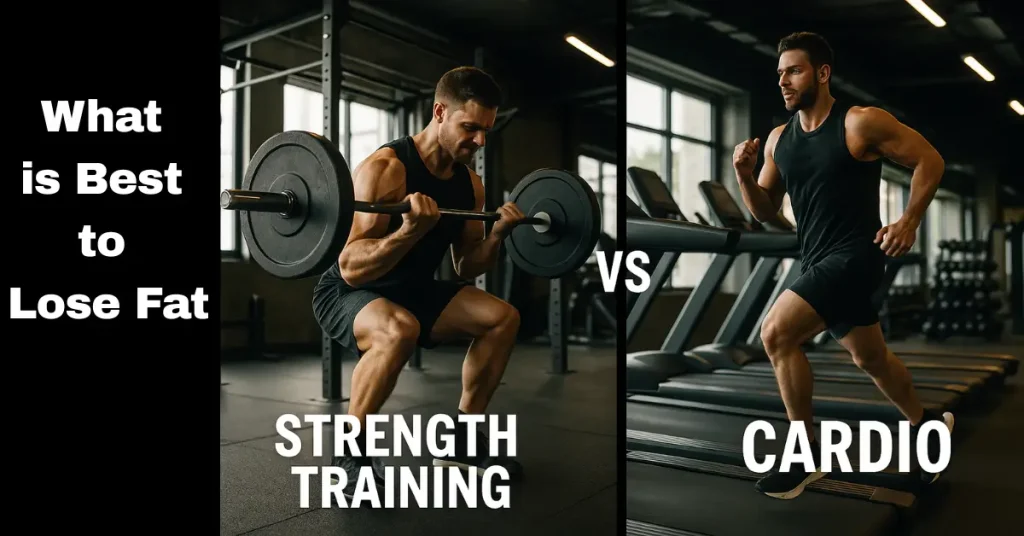
When it comes to fat loss, one of the most debated questions in the fitness world is: Is strength training or cardio better for losing fat? Whether you’re a beginner looking to shed excess weight or someone aiming to fine-tune your physique, understanding the benefits of both training styles is essential.
In this comprehensive comparison, we’ll break down the pros and cons of strength training and cardio, help you choose the right one based on your goals, and provide actionable tips to maximize fat loss while building a healthier, sustainable lifestyle.
Understanding the Basics
Before diving into which is best, let’s define each method:
What is Strength Training?
Strength training (also known as resistance training or weight lifting) involves using resistance to build muscle mass, strength, and endurance. It includes exercises such as squats, deadlifts, bench press, bodyweight movements, and kettlebell workouts.
What is Cardio?
Cardio, short for cardiovascular exercise, is any activity that raises your heart rate. It includes running, cycling, swimming, HIIT, brisk walking, and using machines like the treadmill or elliptical.
Calories Burned: Strength Training vs. Cardio
Cardio:
- Burns more calories during the session: On average, a 30-minute jog burns more calories than 30 minutes of lifting weights.
- Heart rate remains elevated longer: Especially in steady-state cardio or high-intensity interval training (HIIT).
Strength Training:
- Burns calories during and after the workout: Known as the afterburn effect (EPOC), strength training continues to burn calories even after your session ends.
- Builds muscle, which boosts resting metabolic rate (RMR): More muscle means your body burns more calories at rest.
✅ Winner in Immediate Calorie Burn: Cardio
🏆 Winner in Long-Term Fat Loss Efficiency: Strength Training
Muscle Preservation and Body Composition
One of the key components of sustainable fat loss is preserving lean muscle while reducing fat.
Why Strength Training Excels:
- Strength training stimulates muscle protein synthesis, which preserves or builds muscle mass.
- More muscle = better body composition, even at the same weight.
Cardio’s Impact on Muscle:
- Prolonged cardio, especially in a calorie deficit, can lead to muscle loss if not balanced with resistance training or sufficient protein intake.
📌 If your goal is to look toned or defined, strength training is essential.
Impact on Metabolism
A sluggish metabolism can stall fat loss. Here’s how both workouts affect metabolic rate:
Strength Training:
- Increases Basal Metabolic Rate (BMR) due to muscle gain.
- Triggers EPOC, keeping your metabolism elevated for hours post-exercise.
Cardio:
- Can boost calorie burn during the session but has minimal effect on long-term BMR unless done as HIIT.
🧠 Science Insight: A study published in the Journal of Applied Physiology found that individuals who combined cardio and strength training experienced more fat loss and metabolic benefits than those who did cardio alone.
Time Efficiency
For those short on time, it’s important to make every workout count.
Strength Training:
- Full-body strength training 3–4 times a week is highly effective for fat loss and muscle building.
- Compound movements like deadlifts and squats target multiple muscle groups.
Cardio:
- HIIT sessions can be time-efficient and effective in burning calories fast.
- Traditional steady-state cardio takes longer to match the calorie burn.
💡 Pro Tip: Combine strength training with HIIT cardio for maximum fat-burning efficiency.
Long-Term Sustainability and Enjoyment
The best exercise for fat loss is the one you can stick with.
Strength Training:
- Keeps workouts varied and progressive.
- Offers a sense of achievement as you lift heavier over time.
Cardio:
- Easily accessible and beginner-friendly.
- Activities like walking, dancing, or cycling are great for mental health too.
🧘 Mental Health Note: Both forms of exercise release endorphins, helping reduce stress and emotional eating.
Final Verdict: What’s Best for Fat Loss?
| Feature | Strength Training | Cardio |
|---|---|---|
| Calorie Burn (Per Session) | Moderate | High |
| Afterburn Effect (EPOC) | High | Moderate |
| Muscle Preservation | High | Low |
| Metabolic Boost | Long-term | Short-term |
| Accessibility | Moderate | High |
| Best for Beginners | Yes (with guidance) | Yes |
✅ Best Overall Strategy: Combine both strength training and cardio for optimal fat loss, metabolic health, and long-term success.
Expert-Recommended Workout Plan for Fat Loss
Weekly Schedule (for Beginners to Intermediates):
- 3 Days Strength Training: Focus on compound exercises like squats, lunges, push-ups, and rows.
- 2 Days Cardio (Preferably HIIT): 20–30 minutes sessions.
- Daily Steps: Aim for 8,000–10,000 steps/day.
- 1 Rest or Active Recovery Day: Stretching, yoga, or walking.
Nutrition: The Foundation of Fat Loss
Remember, no workout plan can outwork a poor diet. Whether you prefer cardio or strength training, combine your workout routine with:
- A high-protein diet to preserve muscle mass.
- A slight calorie deficit to encourage fat loss.
- Plenty of hydration, sleep, and recovery.
📝 Pro Tip: Use apps like MyFitnessPal or Chronometer to track calories and macros effectively.
Final Thoughts
When choosing between strength training and cardio for fat loss, there’s no one-size-fits-all answer. Each has unique benefits, and together they form a powerful combination.
Strength training builds and maintains muscle, increasing metabolism and improving body composition. Cardio enhances cardiovascular health and burns calories, especially during the workout.
To lose fat effectively, combine both forms of training with a smart nutrition plan, adequate rest, and consistency.
“Train smart, eat well, and stay consistent — that’s the real secret to fat loss.”
About The Author