Confused by the term “glycemic index” on health blogs or food labels? You’re not alone. Yet understanding it could unlock better energy, focus, and fat-burning potential. This article breaks down what glycemic index really means, why it matters, and which foods keep your blood sugar—and performance—steady.
Quick Answer
The glycemic index (GI) ranks carbohydrates based on how quickly they raise blood sugar. High-GI foods cause rapid spikes and crashes in energy, while low-GI foods provide sustained fuel, helping with fat loss, muscle building, and brain clarity. Choosing low-GI options is key to controlling cravings, preventing insulin resistance, and optimizing your daily performance.
Table of Contents
- What Is the Glycemic Index?
- Why You Should Care About GI (Scientifically Speaking)
- How High GI Affects Your Body
- Health Benefits of Low-GI Foods
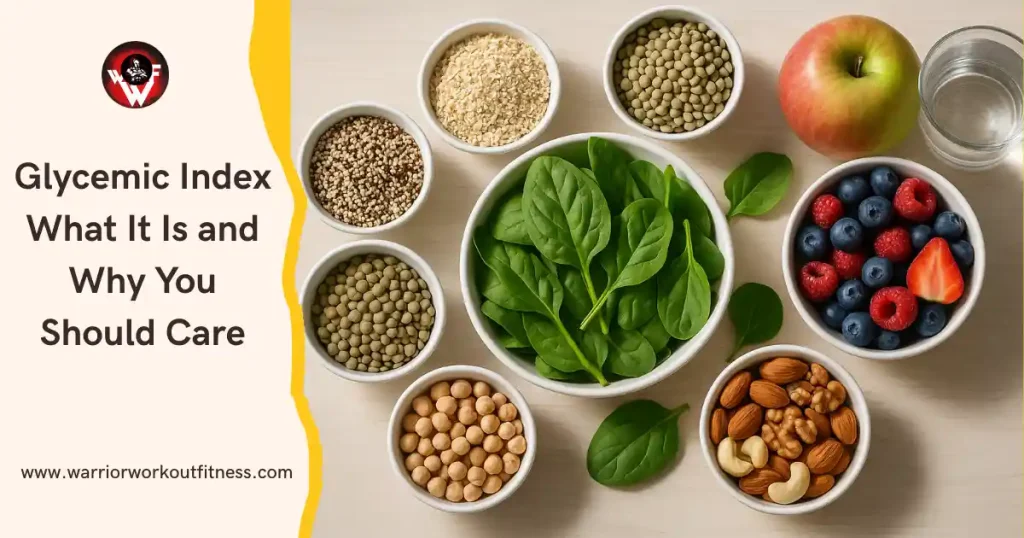
- Top Low-GI Foods to Add to Your Diet
- Practical Checklist: Make the Switch to Low-GI
- Warrior-Approved Glycemic Hacks
- Call to Action
- Frequently Asked Questions
What Is the Glycemic Index?
The glycemic index (GI) is a scientific scale (0 to 100) that ranks how quickly carbohydrates in food are converted into glucose in the bloodstream.
- Low GI (≤55): Digested slowly → gradual blood sugar rise
- Medium GI (56–69): Moderate effect
- High GI (≥70): Digested quickly → fast sugar spike
GI is determined by comparing how a food raises blood glucose compared to pure glucose (GI = 100).
Science says: GI values are based on clinical trials using healthy individuals consuming isolated foods in controlled conditions.
Why You Should Care About GI (Scientifically Speaking)
Your blood sugar rhythm directly impacts how you feel, move, and perform. Here’s how high and low-GI foods affect key health markers:
- 🧠 Brain: Blood sugar crashes impair memory, attention, and mood
- 🏋️♂️ Muscles: Low-GI carbs support steady energy for workouts
- 🔥 Metabolism: Spikes in insulin promote fat storage
- ❤️ Heart: Low-GI diets reduce cholesterol and inflammation
Science-Backed Evidence:
- A 2024 Harvard study found low-GI diets improve insulin sensitivity by 23% in overweight adults.
- According to the Mayo Clinic, low-GI eating reduces the risk of type 2 diabetes by up to 40%.
How High-GI Foods Sabotage Your Health
High-GI foods digest fast, spike blood sugar, and force the pancreas to release insulin quickly. The aftermath?
- Energy crash and brain fog
- Increased fat storage (especially belly fat)
- Elevated hunger, cravings, and binge eating
- Long-term risk: type 2 diabetes and cardiovascular disease
Examples of high-GI culprits:
- White bread (GI ~ 75)
- Sugary breakfast cereals (GI 70–90)
- Instant rice (GI ~ 85)
- Potatoes (GI 80+)
Health Benefits of Low-GI Foods
When you choose low-GI foods, you fuel your body and brain more efficiently.
Proven Benefits:
✅ Stable Energy: No crashes after meals
✅ Improved Focus: Smooth glucose = better cognition
✅ Weight Loss Support: Fewer cravings + fat-burning insulin response
✅ Heart Health: Lower LDL cholesterol and triglycerides
✅ Hormonal Balance: Especially helpful for PCOS, pre-diabetes, and metabolic syndrome
2025 Meta-analysis (Aarhus University): Participants on a low-GI diet had 10% lower body fat and significantly reduced inflammation markers after 8 weeks.
Top Low-GI Foods to Add to Your Diet
Want to upgrade your nutrition today? Focus on whole, minimally processed foods with a low GI.
| Food Category | Examples | GI Score |
|---|---|---|
| Whole Grains | Rolled oats, quinoa, barley, bulgur | 45–55 |
| Fruits | Apples, berries, cherries, grapefruit | 35–50 |
| Legumes | Lentils, black beans, chickpeas | 25–45 |
| Vegetables | Carrots, spinach, cauliflower | 15–40 |
| Dairy/Alternatives | Greek yogurt, unsweetened almond milk | 25–45 |
| Protein Combo | Eggs, tofu with greens, skyr with flax | ~30–40 |
Pro Tip: Pairing carbs with protein or fat (like nuts or yogurt) lowers the overall glycemic impact of your meal.
Practical Checklist: Make the Switch to Low-GI
✅ Swap white rice for brown rice or quinoa
✅ Choose oats instead of sugary cereals
✅ Eat fruits whole (not as juices or dried versions)
✅ Combine carbs with lean protein or healthy fat
✅ Read labels: skip foods with added sugars or refined starches
Warrior-Approved Glycemic Hacks
- 🥚 Pre-load with protein: Eating protein before carbs reduces glucose spikes by 30–40%.
- 🥗 Add vinegar or lemon: Acids slow gastric emptying, lowering GI.
- 🧘 Move after meals: A 10-minute walk post-meal lowers blood glucose by 22% (Harvard, 2023).
- 🍠 Go whole over mashed: Whole potatoes have a lower GI than mashed or fried versions.
At-a-Glance Table: Glycemic Index Effects
| Factor | High GI Impact | Low GI Impact |
|---|---|---|
| Energy Levels | Spikes & crashes | Stable energy |
| Focus & Mood | Brain fog | Clear thinking |
| Cravings & Hunger | Increased | Reduced |
| Insulin & Fat Storage | Elevated storage | Balanced fat metabolism |
| Long-Term Health | Diabetes risk ↑ | Reduced inflammation |
Engage with WarriorWorkoutFitness
Want to dominate your day instead of letting your blood sugar dominate you?
Comment below with the first high-GI food you’re replacing—or ask which swap fits your routine!
✅ Subscribe to WarriorWorkoutFitness for no-BS performance guides and exclusive checklists that fuel your mind and body.
References:
- Harvard School of Public Health (2024)
- Aarhus University Nutrition Review (2025)
- Mayo Clinic Glycemic Research (2023)
- ScienceDaily GI Meta-Analysis (2024)
Frequently Asked Questions
Q1. Does glycemic index apply to everyone?
Yes, but it’s especially useful for people managing diabetes, obesity, PCOS, or insulin resistance.
Q2. Is glycemic index the same as glycemic load?
No. Glycemic load (GL) considers both GI and the amount of carbs. GL is more specific, but GI is still a great quick reference.
Q3. Are all carbs bad?
Not at all. Your brain and muscles love carbs—just choose smart, low-GI sources to optimize their benefits.
Q4. What’s the best time to eat high-GI foods (if any)?
Around workouts or after intense exercise, when insulin sensitivity is high and fast carbs help recovery.
Q5. Can low-GI eating help with fat loss?
Yes. Studies show it improves insulin sensitivity, reduces cravings, and supports sustained energy—key for long-term fat loss.
You May Also Like:
- 6 Brain-Boosting Rituals Backed by Science
- Protein Bar Truth: Are They Really Healthy?
- Apple Cider Vinegar for Weight Loss (Evidence-Based)
Follow Us:
Follow Us On : 📱 Instagram | 📘 Facebook |
About The Author