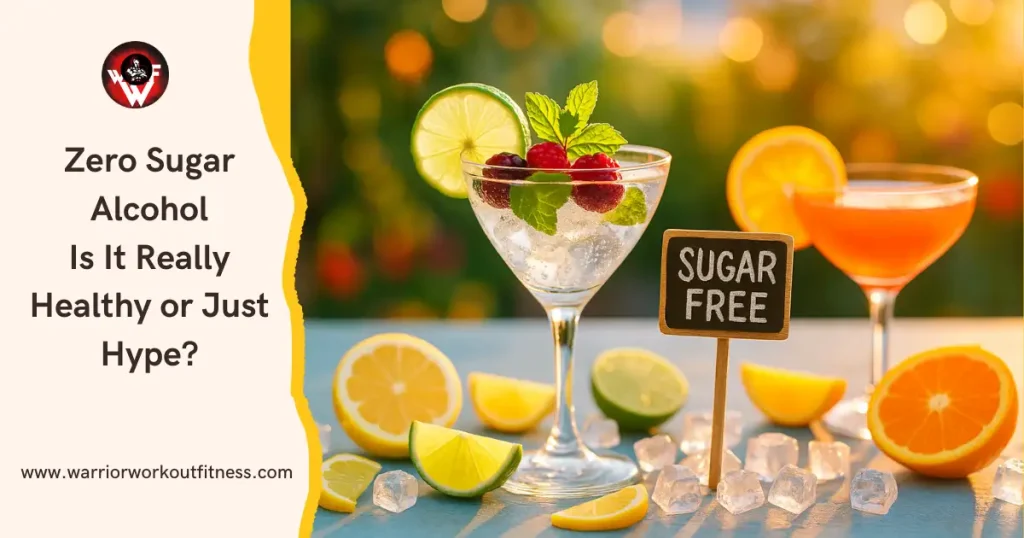
The label says “Zero Sugar Alcohol”—but what does that actually mean for your health, metabolism, and fitness goals? Here’s what science (not marketing) has to say.
Quick Answer
Zero sugar alcohols are low-calorie sweeteners used in many “sugar-free” foods and drinks. While they don’t spike blood sugar like regular sugar, they’re not all harmless. Some types can cause bloating, gut issues, or cravings, while others may support weight management. Knowing which ones to choose is key to staying lean, energized, and in control.
Table of Contents
- What Are Sugar Alcohols?
- Are They Truly Zero Sugar?
- Common Types You’ll See in Foods
- Health Pros of Sugar Alcohols
- Hidden Downsides Backed by Science
- Warrior-Approved Guide: What to Eat & Avoid
- At-a-Glance: Pros & Cons
- Call to Action
- Frequently Asked Questions
What Are Sugar Alcohols?
Despite the name, sugar alcohols are neither sugar nor alcohol (as in ethanol). They’re a type of low-digestible carbohydrate that taste sweet but have fewer calories than sugar.
They’re often used in:
- Sugar-free protein bars
- Keto snacks and desserts
- “No sugar added” drinks
- Chewing gum and oral care products
Science: Sugar alcohols have a glycemic index ranging from 0–35 (vs. 65–100 for table sugar), meaning they have minimal blood sugar impact.
Are They Truly Zero Sugar Alcohol?
Not exactly. “Zero sugar” refers to added sugar, not natural carbs or sugar alcohols themselves. While sugar alcohols don’t cause a sugar spike, they can still:
- Contribute to calories
- Ferment in your gut
- Trigger insulin in some people (e.g., maltitol)
FDA Rule (2023): Foods with less than 0.5g sugar per serving can be labeled as “zero sugar,” even if they contain sugar alcohols.
Common Types You’ll See in Foods
| Sugar Alcohol | GI Score | Calories (per gram) | Digestive Tolerance |
|---|---|---|---|
| Erythritol | 0 | 0.2 | ✅ High tolerance |
| Xylitol | 13 | 2.4 | ⚠️ Moderate |
| Sorbitol | 9 | 2.6 | ❌ Can cause bloating |
| Maltitol | 35 | 2.1 | ❌ Often spikes insulin |
Health Pros of Zero Sugar Alcohol
When used strategically, sugar alcohols can support your fitness goals.
Proven Benefits:
✅ Low blood sugar impact — Good for diabetics or insulin-sensitive people
✅ Supports weight loss — Lower in calories and prevents sugar crashes
✅ Protects teeth — Xylitol reduces cavity-causing bacteria
✅ Safe in moderation — Especially erythritol and xylitol in small doses
Study (Aarhus University, 2024): Erythritol and xylitol did not raise blood glucose or insulin levels in test subjects with pre-diabetes.
Hidden Downsides Of Zero Sugar Alcohol Backed by Science
Not all sugar alcohols are gut-friendly or metabolism-safe.
Watch for These Risks:
⚠️ Bloating and gas — Sorbitol, maltitol, and mannitol ferment in your intestines
⚠️ Increased cravings — Some people report rebound sugar cravings
⚠️ Hidden calories — Overeating “sugar-free” snacks can still derail fat loss
⚠️ Insulin spikes — Maltitol has a higher glycemic index (GI ~35), not ideal for low-carb diets
Clinical Review (Harvard 2023): Maltitol raised post-meal insulin levels by 27% in overweight adults, compared to erythritol at 0%.
Warrior-Approved Guide: What to Eat & Avoid
✅ Best Choices
- Erythritol (in moderation)
- Xylitol (small amounts)
- Monk fruit + erythritol blends
- Allulose (technically not a sugar alcohol, but similar effect)
❌ Avoid or Limit
- Maltitol (often in cheap protein bars)
- Sorbitol and mannitol (gut issues)
- Excessive quantities of any sugar alcohol
Pro Tip: If a food makes your stomach bubble or gives you cravings later—ditch it, no matter the label.
At-a-Glance Table: Pros & Cons of Sugar Alcohols
| Benefit | Risk |
|---|---|
| No blood sugar spike (most) | GI issues (gas, bloating) |
| Fewer calories than sugar | May still trigger insulin (maltitol) |
| Helps with weight control | Can encourage over-snacking |
| Tooth-friendly | Cravings or sweet dependency |
Engage with WarriorWorkoutFitness
Ready to cut through the “sugar-free” marketing noise and take real control of your nutrition?
Comment below with your favorite zero-sugar snack—or ask if your go-to bar makes the Warrior cut.
Subscribe to WarriorWorkoutFitness for more evidence-based food and fitness hacks every week.
References
- Harvard Nutrition Review, 2023
- Mayo Clinic, 2024
- Aarhus University Glycemic Study, 2024
- FDA Labeling Guidelines, 2023
Frequently Asked Questions
Q1. Are sugar alcohols safe long-term?
Yes, in moderation. But daily excess (especially of sorbitol or maltitol) may affect digestion or metabolic health.
Q2. Are sugar alcohols keto-friendly?
Mostly yes. Erythritol, xylitol, and allulose have minimal impact on ketosis. Maltitol is not keto-friendly.
Q3. Do sugar alcohols cause weight gain?
They can—if you eat too many “zero sugar” snacks without accounting for total calories.
Q4. What’s the best sugar alcohol?
Erythritol. It has near-zero calories, a glycemic index of 0, and high digestive tolerance.
Q5. Can I have them daily?
Yes, but limit total intake to 10–15g per day to avoid bloating or sweet-dependence.
You May Also Like:
- What Is Crystal Light and Does It Contain Caffeine? A Complete Health Guide
- Smirnoff Ice: What You Need to Know About This Popular Ready-to-Drink Beverage
- Crown Apple Whiskey Nutrition Facts: Surprising Calories & Sugar Content Revealed! Health Benefits, Tips, and Safety
Follow Us On : Facebook | Instagram |
About The Author