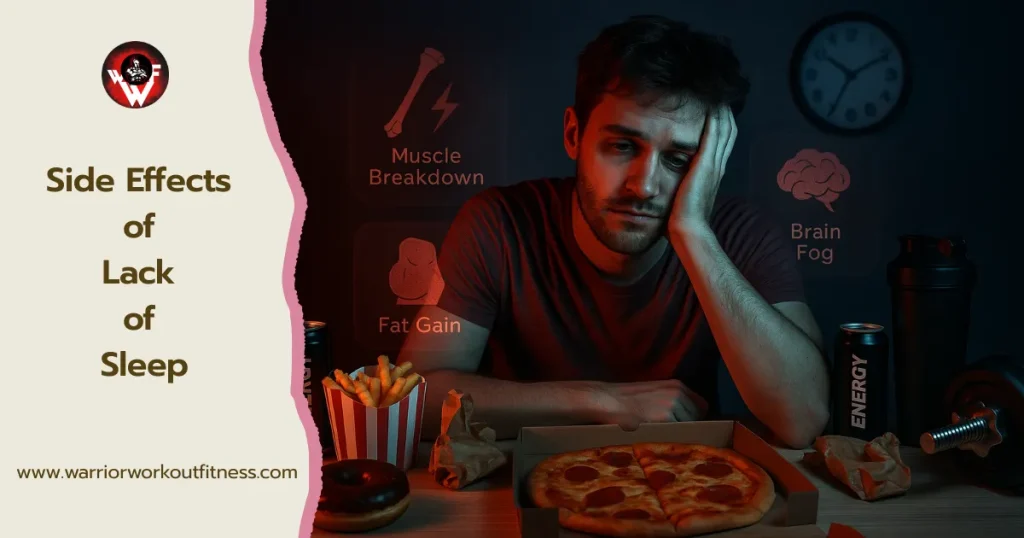
Have you ever woken up after a rough night, feeling like your brain is wrapped in fog and your body is running on empty? That’s the harsh reality of lack of sleep for millions of people. In today’s hustle culture, where work emails ping at midnight and social media scrolls endlessly, skimping on shut-eye has become almost normal. But the truth is, lack of sleep isn’t just about yawning through meetings—it’s a silent saboteur affecting your health, mood, and daily life. This blog explores the side effects through the lens of what really matters to you: your pain points, frustrations, desires, and intentions. We’ll uncover how lack of sleep hits hard, why it frustrates us so much, what we crave in terms of recovery, and how to turn good intentions into better habits.
Drawing from expert insights and recent studies, we’ll make this practical and relatable. Whether you’re a busy parent, a student cramming for exams, or someone dealing with insomnia, understanding these aspects can empower you to reclaim your rest. Remember, sleep isn’t a luxury; it’s essential for your well-being. Let’s start by looking at the basics of what causes this issue and why it matters.
What Causes Lack of Sleep?
Before diving deeper, it’s helpful to know the root causes of lack of sleep. Common culprits include stress from work or life changes, poor sleep habits like irregular bedtimes, and environmental factors such as noisy neighborhoods or uncomfortable mattresses. Medical conditions like sleep apnea, where breathing stops intermittently during sleep, or restless legs syndrome can also disrupt your nights. Lifestyle choices play a big role too—caffeine late in the day, heavy meals before bed, or excessive screen time can all interfere with your body’s natural sleep cycle. Even mental health issues like anxiety or depression often create a vicious cycle, making it harder to fall asleep and worsening the lack of sleep.
Other factors might surprise you. Shift work, jet lag from travel, or even aging can shift your internal clock, leading to chronic sleep shortages. If you’re overweight or consume alcohol frequently, these can exacerbate the problem by affecting breathing or causing frequent wake-ups. Identifying these causes is the first step toward addressing them, and we’ll touch on solutions later. For now, recognize that lack of sleep often stems from a mix of habits and health issues, not just willpower.
User’s Pain Points: The Physical and Mental Toll of Lack of Sleep
When we talk about user’s pain points, we’re referring to the real, tangible harms that lack of sleep inflicts on your body and mind. These are the aches, the fog, and the long-term risks that make daily life harder. Let’s break it down.
First, consider the immediate physical symptoms. Daytime fatigue, headaches, and slowed reaction times are common, making simple tasks feel exhausting. Your immune system takes a hit too—people with chronic lack of sleep are more prone to colds and infections because sleep is when your body repairs itself. Over time, this escalates to serious issues like high blood pressure, obesity, and even heart disease.
One area often overlooked is the side effects of lack of sleep on skin. Without enough rest, your skin can’t regenerate properly, leading to dryness, fine lines, and uneven tone. Dark circles and puffiness under the eyes become more pronounced as collagen production drops, accelerating aging. Here’s a visual of how lack of sleep can manifest on the skin:
On the mental side, the lack of sleep side effects brain are profound. Sleep is crucial for memory consolidation and cognitive function, so deprivation impairs focus, learning, and decision-making. Studies show it can even cause neurological damage in areas like the hippocampus, affecting long-term memory. Imagine trying to solve a problem at work when your brain feels sluggish—that’s a key pain point. For a glimpse into how the brain changes, check this image:
The psychological effects of sleep deprivation add another layer of pain. Irritability, anxiety, and depression spike because sleep regulates emotions. Chronic cases increase the risk of mental health disorders, with insomniacs being far more likely to develop anxiety or depression. It’s not just feeling blue; it’s a deeper emotional instability that affects relationships and self-esteem.
For those pushing limits, extreme sleep deprivation symptoms are alarming. Hallucinations, paranoia, and disorientation can occur after days without sleep, mimicking severe mental illness. Physical coordination suffers, raising accident risks, and the body enters a state of high stress. Here’s an illustration of these symptoms:
Finally, the long-term effects of lack of sleep are perhaps the most daunting pain points. Ongoing deprivation links to diabetes, stroke, and even early dementia. It disrupts hormones, leading to weight gain and weakened immunity, shortening lifespan. These aren’t abstract risks—they’re real consequences that build up over time, making lack of sleep a major health concern.
To summarize these pain points in bullets:
- Physical fatigue and weakened immunity: Constant tiredness and frequent illnesses.
- Skin and appearance issues: Premature aging and dull complexion.
- Cognitive impairments: Memory lapses and poor concentration.
- Emotional instability: Heightened anxiety and mood swings.
- Severe risks in extremes: Hallucinations and increased accident proneness.
- Chronic diseases: Higher chances of heart problems and diabetes.
Understanding these helps highlight why addressing lack of sleep is urgent.
User’s Frustrations: The Everyday Irritations from Lack of Sleep
Frustrations arise when lack of sleep turns small annoyances into major hurdles. It’s that feeling of being on edge, where everything seems harder. For instance, simple decisions like what to eat for lunch become overwhelming due to brain fog. Productivity plummets— you might stare at your screen for hours without progress, leading to missed deadlines and self-doubt.
Social interactions suffer too. Irritability makes you snap at loved ones, straining relationships. Imagine arguing over nothing because you’re exhausted—that’s a common frustration. Driving or operating machinery becomes risky with slowed reactions, adding stress about safety.
Weight management is another big frustration. Lack of sleep boosts appetite hormones, leading to cravings for junk food and unwanted pounds. You try dieting, but without rest, it’s an uphill battle. Skin problems frustrate vanity—waking up to breakouts or dullness despite skincare routines feels unfair.
In extreme cases, frustrations peak with symptoms like memory blackouts or emotional volatility, making you question your sanity. Long-term, the cycle of poor sleep and worsening health creates ongoing discontent.
Here are some common frustrations in bullet form:
- Difficulty concentrating on tasks, leading to errors.
- Heightened emotional reactions and conflicts.
- Persistent hunger and weight struggles.
- Visible skin changes affecting confidence.
- Safety concerns from impaired reflexes.
- Overall sense of underachievement.
These frustrations motivate change, leading to desires for quick fixes.
User’s Desires: How to Recover from Lack of Sleep Fast
When hit with lack of sleep, our desire is simple: get back on track quickly. Fortunately, there are effective ways to rebound.
Start with prioritizing sleep the next night—aim for 7-9 hours in a dark, cool room. If you need a boost, a short 20-minute nap can help without disrupting nighttime rest. Hydrate well and eat light, nutritious meals to combat fatigue.
Natural light exposure in the morning resets your clock, signaling wakefulness. Moderate caffeine early in the day provides energy, but avoid it later. Exercise, like a brisk walk, releases endorphins and improves evening sleep.
For faster recovery, try relaxation techniques such as deep breathing or meditation to reduce stress. If symptoms persist, consult a doctor for underlying issues.
Bullet points for quick recovery tips:
- Catch up on sleep gradually, adding 15-30 minutes nightly.
- Use sunlight and movement to energize.
- Limit naps to power sessions.
- Stay hydrated and avoid heavy stimulants.
- Practice mindfulness to calm the mind.
- Return to routine ASAP.
These desires for rapid relief tie into longer-term intentions.
User’s Intentions: Building Habits to Prevent and How to Cure Sleep Deprivation
Intentions focus on prevention and cure, turning awareness into action. To cure sleep deprivation, address root causes with consistent habits.
Establish a sleep schedule—same bedtime and wake-up daily, even weekends. Create a bedtime routine: dim lights, read, or bathe to signal rest. Limit screens an hour before bed to avoid blue light.
Tackle causes of lack of sleep like stress through therapy or exercise. If medical, seek treatments like CPAP for apnea. Diet matters—avoid heavy foods and alcohol near bedtime.
For cure, combine lifestyle changes with professional help if needed. Track sleep with apps to monitor progress.
Intentions in bullets:
- Set fixed sleep times.
- Optimize environment for comfort.
- Manage stress proactively.
- Seek medical advice for disorders.
- Monitor and adjust habits.
- Incorporate relaxation practices.
Comparison: Well-Rested vs. Sleep-Deprived Individuals
To illustrate the difference, here’s a comparison table:
| Aspect | Well-Rested Person | Sleep-Deprived Person |
|---|---|---|
| Energy Levels | High and sustained throughout the day | Low, with frequent crashes |
| Cognitive Function | Sharp focus, good memory | Foggy thinking, forgetfulness |
| Mood | Stable, positive | Irritable, anxious |
| Physical Health | Strong immunity, healthy weight | Prone to illness, weight gain |
| Skin Appearance | Glowing, elastic | Dull, wrinkled, dark circles |
| Long-Term Risks | Lower chance of chronic diseases | Higher risk of diabetes, heart issues |
This table shows why avoiding lack of sleep pays off.
Conclusion
Lack of sleep is more than inconvenience—it’s a barrier to thriving. By addressing pain points like health risks, frustrations in daily life, desires for quick recovery, and intentions for prevention, you can improve your life. Start small: tonight, aim for better sleep. Your body and mind will thank you.
1. Can lack of sleep cause hair loss or thinning?
Yes, chronic lack of sleep can contribute to hair loss. Sleep is when your body produces melatonin and repairs cells, including those in hair follicles. Prolonged sleep deprivation increases stress hormones like cortisol, which can push hair follicles into a resting phase (telogen effluvium), leading to excessive shedding or thinning. Poor nutrient absorption and reduced blood flow to the scalp due to fatigue also play a role. While not the sole cause, improving sleep often helps reverse stress-related hair loss.
2. Does lack of sleep affect libido or sexual performance?
Absolutely. Lack of sleep significantly lowers sex drive and performance in both men and women. It reduces testosterone levels in men (even one week of restricted sleep can drop them noticeably) and disrupts estrogen and mood-regulating hormones in women. Fatigue, low energy, irritability, and body image issues from poor sleep further decrease interest in intimacy. Studies show that people who sleep well report higher libido and better sexual satisfaction.
3. Can lack of sleep weaken bones or increase the risk of osteoporosis?
Emerging research suggests yes. Sleep deprivation disrupts the balance of hormones that regulate bone remodeling—such as growth hormone, cortisol, and parathyroid hormone. Chronic short sleep is linked to lower bone mineral density, especially in older adults and postmenopausal women. Poor sleep also reduces calcium absorption and increases inflammation, both harmful to bone health. While more studies are needed, consistent good sleep appears protective against bone loss over time.
About The Author