Introduction
Ever stirred a spoonful of sugar into your morning coffee and thought, “How many calories am I actually adding?” You’re not alone. Granulated sugar is one of the most common ingredients in our kitchens—yet few of us know exactly how it impacts our daily calorie intake.
In this article, we’ll break down the calories in granulated sugar, compare it to other sweeteners, and give you practical tips to enjoy sweetness in moderation without sabotaging your health goals.
Quick Answer: Calories in Granulated Sugar
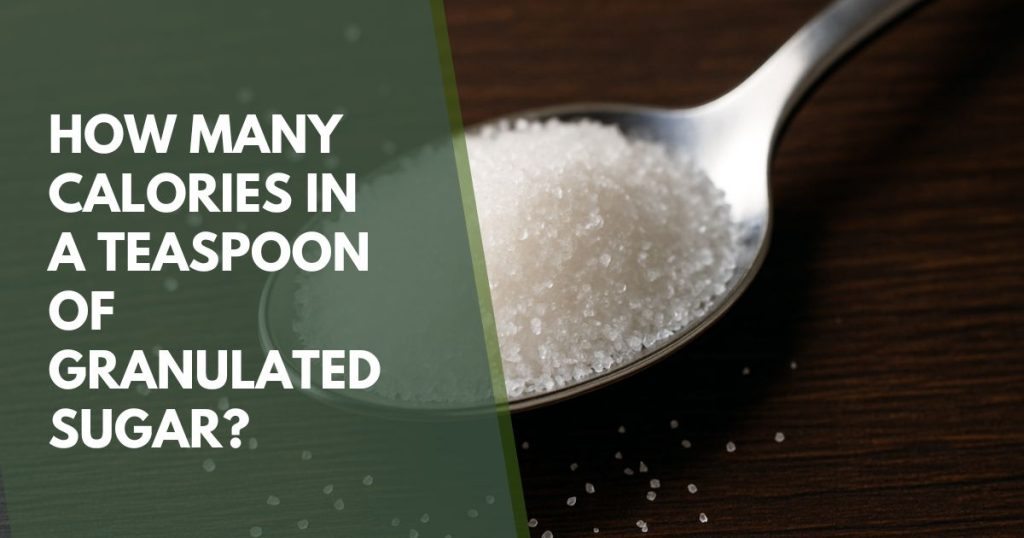
How Many Calories Are in a Teaspoon of Granulated Sugar?
Understanding the calorie content of sugar is essential for anyone managing weight, blood sugar levels, or overall diet quality. Granulated sugar, also known as table sugar or sucrose, is a pure carbohydrate derived from sugarcane or sugar beets and contains no protein, fat, or micronutrients.
1. Caloric Value and Composition:
One teaspoon (about 4 grams) of granulated sugar provides approximately 16 calories, all coming from simple carbohydrates. These calories are quickly absorbed, causing a rapid rise in blood glucose levels. Since sugar offers energy without essential nutrients such as fiber, vitamins, or minerals, it is classified as an “empty calorie” food.
2. Daily Intake Recommendations:
Health organizations like the World Health Organization (WHO) and the American Heart Association (AHA) recommend limiting added sugar intake to less than 10% of total daily calories — ideally closer to 5%. That means an adult on a 2,000-calorie diet should aim for no more than 25–50 grams of added sugar daily (roughly 6–12 teaspoons). Exceeding this limit regularly has been linked to higher risks of obesity, insulin resistance, fatty liver disease, and cardiovascular problems.
3. Nutritional Perspective and Alternatives:
While an occasional teaspoon of sugar adds minimal calories, frequent consumption through sweetened beverages, desserts, and processed foods can significantly increase daily intake. Replacing part of your sugar use with natural sweeteners (like stevia or monk fruit) or using smaller amounts in recipes can reduce total caloric load without compromising taste.
4. Practical Tip:
Remember: 1 teaspoon = ~16 calories, 1 tablespoon = ~48 calories. Keep track of how often sugar slips into your coffee, cereal, or sauces — small amounts add up quickly over a day. Moderation and awareness are key to maintaining balanced nutrition.
| Measurement | Calories | Carbohydrates |
|---|---|---|
| 1 teaspoon (4g) | 16 calories | 4g carbs |
| 1 tablespoon (12g) | 48 calories | 12g carbs |
| 100g | 387 calories | 100g carbs |
✅ Quick Takeaway: One teaspoon of granulated sugar adds about 16 calories—not much on its own, but it adds up quickly if you use multiple teaspoons throughout the day.
What is Granulated Sugar?
Granulated sugar, also called table sugar, is the most widely used sweetener in households and food production. It’s made by refining sugarcane or sugar beets into pure sucrose crystals.
Common Uses:
- Sweetening coffee, tea, and beverages
- Baking (cakes, cookies, breads)
- Cooking sauces, marinades, and desserts
- Preserving fruits (jams, jellies)
Nutrition Profile (per 100g):
- Calories: 387
- Carbohydrates: 100g (all sugars)
- Protein: 0g
- Fat: 0g
- Glycemic Index (GI): 65 (high, meaning quick blood sugar spikes)
Unlike whole foods, sugar provides empty calories—pure energy without vitamins, minerals, or fiber.
Related :
1 Month Intermittent Fasting for Beginners
Comparing Calories: White vs. Brown Sugar
Here’s where things get interesting. Many people ask: “Is brown sugar healthier than white sugar?”
Nutrition Comparison (per 100g):
| Sugar Type | Calories | Carbs | Key Notes |
|---|---|---|---|
| White sugar (granulated) | 387 | 100g | Pure sucrose, no minerals |
| Brown sugar | 380 | 98g | Contains small amounts of molasses (trace minerals) |
| Powdered sugar | 389 | 100g | Same calories, finer texture |
| Raw sugar (turbinado) | 390 | 99g | Less refined, light molasses taste |
🔑 Takeaway: The calorie difference is negligible. Brown sugar isn’t “healthier”—it just has a slightly different flavor and color.
- Calories in 1 tbsp brown sugar: ~45 calories (very close to white sugar).
- White sugar calories 100g: 387 calories.
How Much Sugar Do We Actually Eat?
According to the World Health Organization (WHO) and the Centers for Disease Control (CDC):
- The average American consumes 17 teaspoons of sugar per day.
- That’s 272 calories daily from sugar alone.
- The WHO recommends limiting added sugars to less than 10% of total calories—ideally 5% for optimal health.
- For a 2,000-calorie diet, that’s about 25g–50g (6–12 teaspoons) of sugar per day.
👉 Reality check: Many people unknowingly double or triple this amount due to hidden sugars in drinks, snacks, and sauces.
Practical Guide to Reducing Granulated Sugar Without Losing Taste
Cutting back on sugar doesn’t mean giving up sweetness. Here are simple, effective swaps and strategies:
1. Coffee & Tea Lovers
- Reduce sugar gradually: If you use 2 teaspoons, cut to 1.5 for a week, then 1, and so on.
- Try natural sweeteners: Stevia, monk fruit, or a small dash of cinnamon.
2. Baking Hacks
- Replace half the sugar with unsweetened applesauce or ripe bananas.
- Use vanilla extract or almond extract to enhance sweetness without more sugar.
3. Smart Swaps
- Soda ➝ Sparkling water with lemon
- Flavored yogurt ➝ Plain Greek yogurt + berries
- Candy ➝ Dark chocolate (70%+)
4. Dessert Hacks
- Make fruit the star: grilled peaches, baked apples, or frozen grapes.
- Use small plates—portion control makes a big difference.
Health Impacts & Myths
Health Impacts of Excess Sugar:
- Weight Gain: Extra sugar = extra calories without fullness.
- Diabetes Risk: High sugar intake increases insulin resistance.
- Heart Health: Linked to high triglycerides and inflammation.
- Dental Issues: Sugar feeds harmful bacteria that cause cavities.
Common Myths:
- “Brown sugar is healthier.”
❌ False. The difference in minerals is tiny and doesn’t make it more nutritious. - “Sugar from fruit is bad.”
❌ Misleading. Whole fruits contain fiber, vitamins, and antioxidants that slow sugar absorption. - “Natural sugars (honey, maple syrup) don’t count.”
❌ They still add calories and affect blood sugar—just like granulated sugar.
Interactive Element: Daily Sugar Allowance Chart
Here’s a quick guide to maximum daily sugar intake:
| Group | Recommended Limit | Approx. Teaspoons |
|---|---|---|
| Children (4–8 years) | 12–16g | 3–4 tsp |
| Teens (9–18 years) | 20–25g | 5–6 tsp |
| Adults (average) | 25–50g | 6–12 tsp |
💡 Imagine this as a “Sugar Intake Calculator” where readers could input age, weight, and activity level to see their personalized daily allowance. This tool makes the blog interactive and shareable.
FAQs
How many calories are in 2 teaspoons of granulated sugar?
About 32 calories (2 x 16 calories).
Is granulated sugar bad for weight loss?
Not in small amounts, but frequent use adds hidden calories. Moderation is key.
Does brown sugar have fewer calories?
Only slightly (380 vs. 387 per 100g). The difference is negligible.
What is the healthiest sugar substitute?
Stevia and monk fruit extract are great options—they’re natural, calorie-free, and don’t spike blood sugar.
Conclusion: Sweetness in Moderation
Granulated sugar adds 16 calories per teaspoon—easy to overlook, but those teaspoons add up fast. While it’s not “toxic” in small doses, consistently high sugar intake can harm your health.
The good news? With mindful swaps, gradual reduction, and smarter choices, you can still enjoy sweetness while protecting your long-term well-being.
👉 Want more ideas? Check out our guide on healthy sweetener alternatives to make your favorite foods guilt-free.
About The Author