Table of Contents
- Introduction
- What Is Whey Protein?
- The Science of Weight Gain and Weight Loss
- How Whey Protein Affects Weight
- Can Whey Protein Make You Gain Weight?
- Factors That Influence Weight Gain from Whey Protein
- Whey Protein for Muscle Gain vs. Fat Gain
- Whey Protein Types and Their Role in Weight
- Whey Protein vs. Other Protein Sources
- How Much Whey Protein Should You Take?
- Timing: When to Consume Whey Protein
- Whey Protein Meal Plan Examples (for Weight Gain & Loss)
- Case Studies & Real-World Examples
- Latest Research & 2024–2025 Trends
- Myths About Whey Protein and Weight Gain
- Side Effects and Safety Considerations
- Whey Protein for Special Populations (Women, Seniors, Athletes)
- Localization & Global Use of Whey Protein
- Practical Tips: How to Use Whey Protein for Your Goals
- Suggested Visuals, Infographics & Videos
- FAQs
- Conclusion & CTA
Introduction
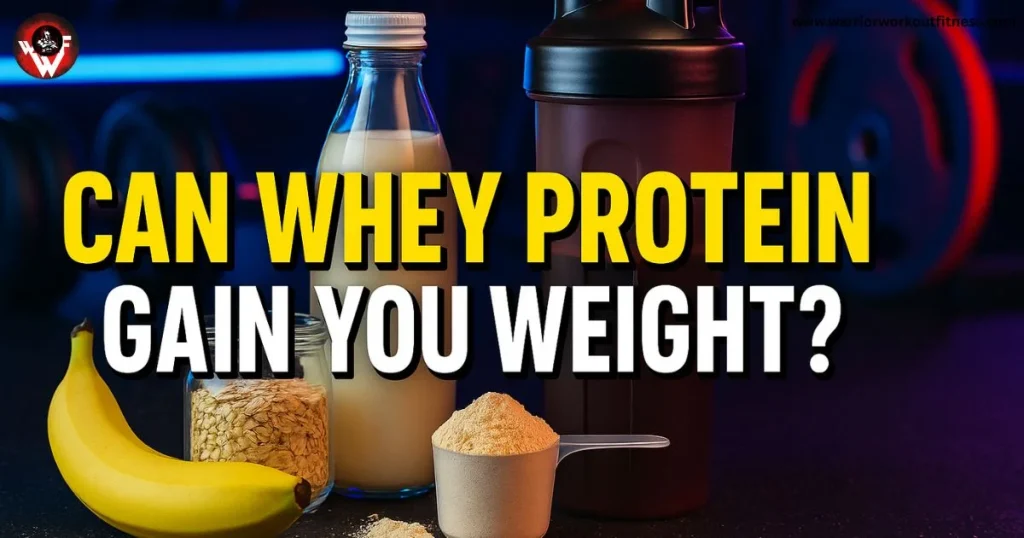
Searches for “Can whey protein gain you weight?” have skyrocketed in 2024–2025. The question reflects a broader confusion: Is whey protein a weight gainer or a weight loss supplement?
The truth: whey protein itself is neutral. It’s neither inherently “fattening” nor automatically “slimming.” The effect depends on context—your calorie intake, exercise habits, and health goals.
👉 This guide will serve as a pillar resource, covering everything you need: from science and myths to meal plans and case studies.
What Is Whey Protein?
Whey protein is derived from the liquid left over during cheese production. It’s a complete protein with all 9 essential amino acids, and it’s particularly high in leucine, the amino acid most responsible for muscle growth.
Main Types:
- Whey Concentrate (70–80% protein, ~120–150 kcal/serving)
- Whey Isolate (90%+ protein, ~100–120 kcal/serving, low lactose)
- Whey Hydrolysate (pre-digested, fastest absorption, often more expensive)
📊 Stat: According to Grand View Research 2024, whey protein is the most consumed supplement globally, with sales rising 8.5% annually.
👉 Visual Suggestion: Infographic of whey types → protein %, lactose level, calories.
The Science of Weight Gain and Weight Loss
At the core of weight management is the calorie equation:
- Surplus (Calories In > Calories Out) = weight gain
- Deficit (Calories In < Calories Out) = weight loss
But protein behaves differently than carbs and fats:
- Higher Thermic Effect (TEF): ~20–30% of protein calories are burned during digestion.
- Muscle-Preserving: Adequate protein prevents muscle loss during calorie deficit.
- Satiety Effect: Protein keeps you full longer.
Thus, whey protein plays a role in both weight gain and loss, depending on usage.
Related Post : Is Brown Sugar Better Than White Sugar for Weight Loss?
How Whey Protein Affects Weight
- Boosts muscle protein synthesis (MPS)
- Reduces hunger hormones like ghrelin
- Enhances workout recovery
- May increase metabolic rate (slightly)
📌 Example: A 2024 study in Nutrients Journal found that participants consuming whey protein post-workout burned ~80 more calories/day compared to those taking carbs alone.
Can Whey Protein Make You Gain Weight?
Yes—but only if it increases your total calorie intake.
- If you train & eat in surplus → whey = muscle gain.
- If you don’t train but add whey → whey = fat gain (from surplus).
- If you replace junk snacks with whey → whey = weight loss.
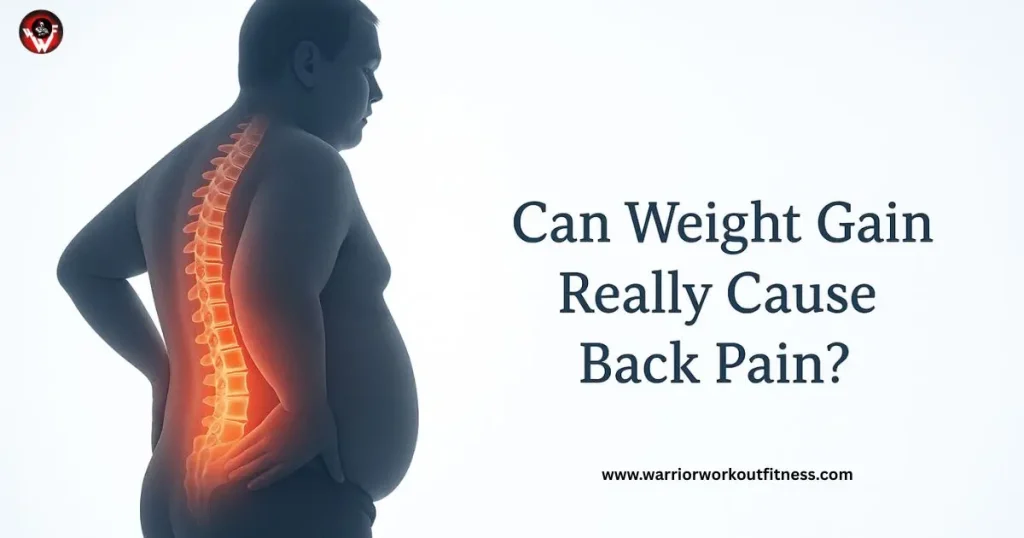
Related Post : Can Weight Gain Really Cause Back Pain?
Factors That Influence Weight Gain from Whey Protein
- Calorie Surplus/Deficit
- Exercise Routine
- Type of Whey Protein (Concentrate vs. Isolate)
- Dietary Context (high-carb vs. low-carb diet)
- Lifestyle (sedentary vs. active)
👉 Chart Suggestion: Calories consumed from whey under different scenarios (gym-goer vs. sedentary).
Whey Protein for Muscle Gain vs. Fat Gain
- With strength training, whey accelerates lean muscle gain.
- Without exercise, added calories from whey = fat gain.
📊 Stat: Meta-analysis (Sports Nutrition Journal, 2024):
- +2–5 kg lean muscle gain in 12 weeks with whey + resistance training.
- No significant fat gain when diet was controlled.
Whey Protein Types and Their Role in Weight
| Type | Protein % | Calories (per 30g) | Best Use Case |
|---|---|---|---|
| Concentrate | 70–80% | 120–150 | Bulking, budget option |
| Isolate | 90–95% | 100–120 | Cutting, lactose intolerant |
| Hydrolysate | 90%+ | 110–120 | Fast absorption, athletes |
Whey Protein vs. Other Protein Sources
- Whey vs. Casein: Whey = fast, Casein = slow → ideal combo = both.
- Whey vs. Plant Proteins: Plant blends (pea, rice) improving, but whey has higher leucine levels.
- Whey vs. Food Protein: Chicken, eggs, fish are great but slower digesting. Whey is convenient.
How Much Whey Protein Should You Take?
- Sedentary adults: 0.8g protein/kg bodyweight.
- Active adults/athletes: 1.6–2.2g/kg bodyweight.
- Whey serving: 20–30g per scoop.
👉 Over 40g at once may not maximize muscle protein synthesis. Better to split doses.
Timing: When to Consume Whey Protein
- Post-Workout (best for MPS spike).
- Morning (to reduce cravings).
- Snack Replacement (better than chips/cookies).
Whey Protein Meal Plan Examples
For Weight Gain (Surplus):
- Breakfast: Oats + whey + peanut butter.
- Snack: Smoothie with banana, whey, almond milk.
- Post-workout: Whey shake + milk.
For Weight Loss (Deficit):
- Breakfast: Whey + water + berries.
- Lunch: Chicken salad.
- Snack: Whey shake instead of chips.
- Dinner: Grilled fish + veggies.
Case Studies & Real-World Examples
- Athlete Bulk: 24-year-old male → +4kg lean mass in 3 months with whey & resistance training.
- Weight-Loss Story: 32-year-old female → lost 6kg fat replacing snacks with whey.
- Senior Health: 68-year-old male → reduced muscle loss by 12% during 16-week program with whey supplementation.
Latest Research & 2024–2025 Trends
- AI-powered nutrition apps now recommend personalized whey dosages.
- Sustainable whey protein from grass-fed cows gaining popularity.
- Plant-whey blends emerging for lactose-sensitive populations.
📊 Stat: In 2025, 40% of consumers prefer eco-certified whey supplements (Euromonitor).
Myths About Whey Protein and Weight Gain
- ❌ “Whey makes you fat” → No, only surplus calories do.
- ❌ “Whey is unsafe for women” → False; women benefit equally.
- ❌ “Whey damages kidneys” → Proven safe for healthy adults (NIH 2024).
Side Effects and Safety Considerations
- Mild bloating (mostly from concentrate).
- Allergic reactions for those with milk allergies.
- Safe long-term for healthy adults.
Whey Protein for Special Populations
- Women: Lean muscle + fat loss.
- Seniors: Prevents sarcopenia.
- Athletes: Faster recovery.
- Weight-loss seekers: Satiety and metabolic boost.
Localization & Global Use
- In India, whey is rising in gyms and fitness startups.
- In Europe, lactose-free isolates dominate.
- In Asia-Pacific, flavored whey (matcha, taro) trending.
👉 Brands can localize flavors, labels, and education content for regional audiences.
Practical Tips: How to Use Whey Protein
- Blend with oats/fruit for weight gain.
- Mix with water for weight loss.
- Pair with resistance training for best results.
- Track calories with apps like MyFitnessPal.
Suggested Visuals
- Infographic: Whey vs. other proteins.
- Chart: Calories from whey in surplus/deficit.
- Video: “Whey Protein Explained in 3 Minutes.”
FAQs
Q1: Can whey protein cause fat gain?
Only if it pushes you into a calorie surplus.
Q2: What type of whey is best for weight loss?
Whey isolate (lower calories, low lactose).
Q3: Is whey safe for long-term daily use?
Yes, studies show it’s safe up to 2 years.
Q4: How many scoops per day?
1–2 scoops, depending on dietary needs.
About The Author