
Gut health is everywhere these days — and for good reason. When your digestive system is happy, you feel lighter, more energetic, and even mentally clearer. One of the most popular ways people are trying to improve their gut is by taking Best Probiotic. But with hundreds of brands shouting “We’re the best!”, it’s easy to get confused.
So, what is the best probiotic for gut health right now? The honest answer: there isn’t a single “winner” that works for everyone. What works amazingly for your friend might do nothing for you (or in rare cases, even cause temporary discomfort). The good news? After digging through the latest 2024-2025 clinical studies, customer reviews, and expert recommendations, I can show you exactly how to pick the one that’s most likely to help YOU.
Why Your Gut Needs Good Bacteria in the First Place
Your intestines are home to trillions of bacteria, viruses, and fungi — together called the gut microbiome. When the balance tips toward “bad” microbes, you can experience bloating, irregular bowel movements, low energy, skin issues, and even mood swings.
Probiotics are live beneficial bacteria (and sometimes yeasts) that, when taken in the right amounts, can help restore that balance. Research published in 2024 in journals like Gut Microbes and The Lancet Gastroenterology shows that certain strains can reduce IBS symptoms by up to 50%, ease bloating, and strengthen the gut lining.
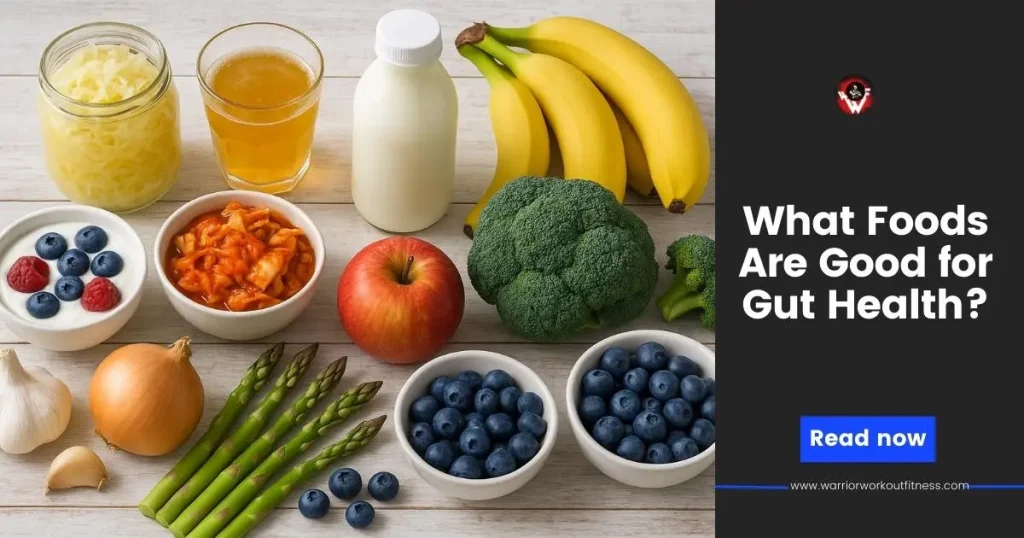
Related: What Foods Are Good for Gut Health
Top Clinically-Backed Probiotic Strains in 2025
Here are the strains that keep showing up in the strongest studies:
- Lactobacillus rhamnosus GG (LGG) – the most researched strain on the planet; excellent for diarrhea, traveler’s tummy, and overall immunity.
- Bifidobacterium longum BB536 – brilliant for reducing bloating and gas.
- Lactobacillus acidophilus NCFM – supports digestion of dairy and reduces occasional constipation.
- Saccharomyces boulardii – a beneficial yeast (not bacteria) that shines when you’ve recently taken antibiotics.
- Lactobacillus plantarum 299v / LP299V – fantastic for IBS and bloating.
- Bifidobacterium lactis HN019 – improves regularity in as little as 7–14 days.
Look for products that clearly list the strain name (not just “Lactobacillus” or “Bifidobacterium”). The strain is what matters most.
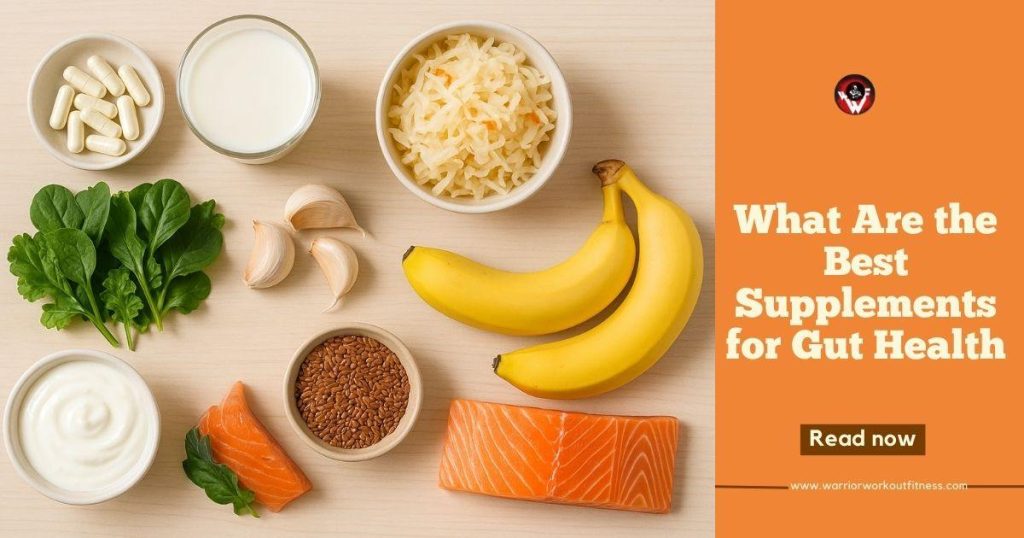
Related :What Are the Best Supplements for Gut Health
How Many CFUs Do You Actually Need?
You’ll see bottles bragging about 50 billion, 100 billion, even 200 billion CFUs (colony-forming units). More isn’t always better. Most high-quality studies show 5–20 billion CFUs per day is plenty for general gut health. What really counts is that the bacteria survive stomach acid and reach your intestines alive. Look for “enteric-coated” capsules or brands that guarantee live delivery.
Signs Your Probiotics Are Actually Working
Most people notice changes between week 1 and week 4. Common positive signs:
- Bowel movements become more regular and easier to pass
- Less gas and bloating after meals
- Reduced sugar cravings
- Better mood and mental clarity (gut-brain axis!)
- Stronger immunity — fewer colds
- Clearer skin
Mild die-off symptoms (temporary bloating, loose stools, or fatigue) can happen in the first 3–7 days as bad bacteria get pushed out. If symptoms are severe or last longer than 10 days, stop and consult a doctor.
Probiotic Foods vs Supplements — Which Is Better?
Natural probiotic foods are fantastic for maintenance: curd (Indian dahi), homemade buttermilk, idli/dosa batter, kanji, kimchi, kefir, sauerkraut, and real pickles (not the vinegar kind). They give you live cultures plus fiber and nutrients.
But if you’re trying to fix an imbalance (post antibiotics, IBS, chronic bloating), supplements give you much higher, targeted doses of specific strains that are hard to get from food alone.
Special Tips for India
Heat and humidity kill probiotics fast. Always buy from stores/pharmacies that store them properly (preferably refrigerated section). Online? Stick to Amazon/1mg/Pharmeasy sellers with high ratings and recent stock. Popular trusted Indian brands: Enterogermina, Vibact, Econorm, and the ones I mentioned earlier.
Why Some People Say “Probiotics Ruined My Life”
You might have seen scary Reddit threads. In almost every case, the person either:
- Had undiagnosed SIBO (small intestinal bacterial overgrowth) — adding more bacteria makes it worse
- Took a low-quality product full of fillers
- Took extremly high doses (100+ billion) right from day 1
Start low (5–10 billion), go slow, and choose reputable brands.
People Also Ask
What Indian food is highest in probiotics?
The single richest everyday Indian source of live probiotics is homemade curd (dahi). Fresh, properly fermented curd made from full-fat milk contains 100 million to 1 billion CFU per gram of live Lactobacillus bulgaricus, Streptococcus thermophilus, and often local strains like L. casei and L. acidophilus. A 200-gram bowl easily delivers 100–200 billion live bacteria — more than most probiotic capsules!
Other strong Indian contenders:
- Kanji (fermented carrot/beetroot drink) – packed with Lactobacillus plantarum and wild strains.
- Idli/dosa batter (naturally fermented 12–18 hours) – rich in Leuconostoc and Pediococcus.
- Homemade buttermilk (chaas/taak) made from fresh curd.
- Handvo, dhokla, and uttapam batter when fermented overnight.
- Gundruk and sinki (Himalayan fermented greens) if you can get them.
Tip: Always make curd at home and let it set for 8–10 hours in warm weather (never use ultra-pasteurised or “toned” milk). Store-bought “probiotic curd” often has added cultures but far fewer live bacteria because of cold-chain issues and preservatives. For maximum benefit, eat curd fresh within 2–3 days.
Related: 15 Ways to Increase Good Bacteria in Gut Naturally in 2025
What foods are high in probiotics?
Top naturally probiotic-rich foods worldwide:
- Plain yogurt or Greek yogurt (look for “live active cultures” on label)
- Kefir (fermented milk drink — up to 60+ strains and billions of CFU per glass)
- Sauerkraut (unpasteurised only)
- Kimchi (Korean fermented cabbage)
- Traditional pickles fermented in brine (not vinegar)
- Miso (fermented soybean paste)
- Tempeh (fermented soybean cake)
- Kombucha (fermented tea)
- Aged cheeses (Gouda, cheddar, Swiss — the rind has the most)
- Traditional buttermilk and lassi
Important: Heat kills probiotics, so avoid cooking or pasteurised versions. Refrigeration preserves them. To boost benefits, pair with prebiotic foods like banana, onion, garlic, oats, or dal.
What are the signs you need probiotics?
Your body often drops clear hints when gut bacteria balance is off:
- Frequent bloating or gas, especially after meals
- Irregular bowel movements (constipation, diarrhea, or alternating)
- Strong food cravings, especially sugar and carbs
- Unexplained fatigue or brain fog
- Skin issues like acne, eczema, or rosacea
- Frequent infections or slow recovery from colds
- Bad breath or coated tongue
- Mood swings, anxiety, or low mood (gut-brain connection)
- Recent antibiotic use (even months ago)
- Diagnosed IBS, SIBO, leaky gut, or candida overgrowth
If 3 or more apply, your microbiome likely needs support. Women may also notice recurring yeast infections or BV — another sign vaginal and gut flora are out of balance. Start with diet changes first (more fiber, fermented foods), then add a quality probiotic if symptoms persist.
Do probiotics improve your gut health?
Yes — when you choose the right strain and dose, probiotics can significantly improve gut health. Hundreds of 2024-2025 studies confirm they:
- Restore balance after antibiotics (reduces risk of C. diff and diarrhea by 50–60%)
- Reduce IBS symptoms (pain, bloating, irregular stools) by up to 50% in 4–8 weeks
- Strengthen gut lining and reduce “leaky gut” markers
- Lower inflammation throughout the body
- Improve regularity and reduce constipation
- Boost immunity (70% of immune system lives in the gut)
- Positively affect mood and sleep via the gut-brain axis
However, results vary. Generic “acidophilus” tablets often do little. Targeted strains (L. rhamnosus GG, Bifidobacterium 35624, Saccharomyces boulardii) work far better. Benefits usually appear in 1–4 weeks, with maximum effect around 8–12 weeks. Consistency matters — daily use plus prebiotic fiber gives the best outcome. For most people, adding probiotics (food or supplement) is one of the fastest, safest ways to upgrade gut health and overall well-being.
Final Verdict: My Personal Recommendation
If you’re in India and want something reliable, affordable, and doctor-recommended → start with Vizylac Rich or Darolac capsules for 4–6 weeks.
If you can spend more and want cutting-edge → Seed DS-01 or Ritual Synbiotic+ are currently leading the global market for noticeable results.
Pair any probiotic with prebiotic-rich foods (onion, garlic, banana, oats, dal) and you’ll see the best results.
Your gut deserves the right kind of love — choose a probiotic with proven strains, give it at least 30 days, and listen to your body. When you find the one that clicks, you’ll wonder how you ever lived without it!
References :
Fortune’s 2025 Best Probiotics Review
Healthline’s Best Probiotic Supplements 2025
About The Author