Introduction
Ever feel bloated, sluggish, or moody and wonder if your gut health is to blame? You’re not alone. Your digestive system does far more than just break down food—it influences your immune system, hormone balance, energy levels, and even your mental health. In fact, researchers often call the gut the “second brain” because of its powerful connection to mood and well-being.
One of the simplest yet most effective ways to support digestion and overall wellness is through fermented foods for gut health. These nutrient-packed foods are rich in probiotics—beneficial bacteria that balance your microbiome and keep your digestive system thriving. But fermented foods are only one part of the picture. From fiber-rich vegetables to antioxidant-packed fruits, knowing which foods to eat (and which to avoid) can completely transform your gut health.
This guide breaks it all down for you: the best fermented foods, probiotic-rich options, gut-friendly vegetables and fruits, plus a 7-day sample plan to help you feel lighter, more energized, and healthier from the inside out.
Top 7 Foods For Gut Health
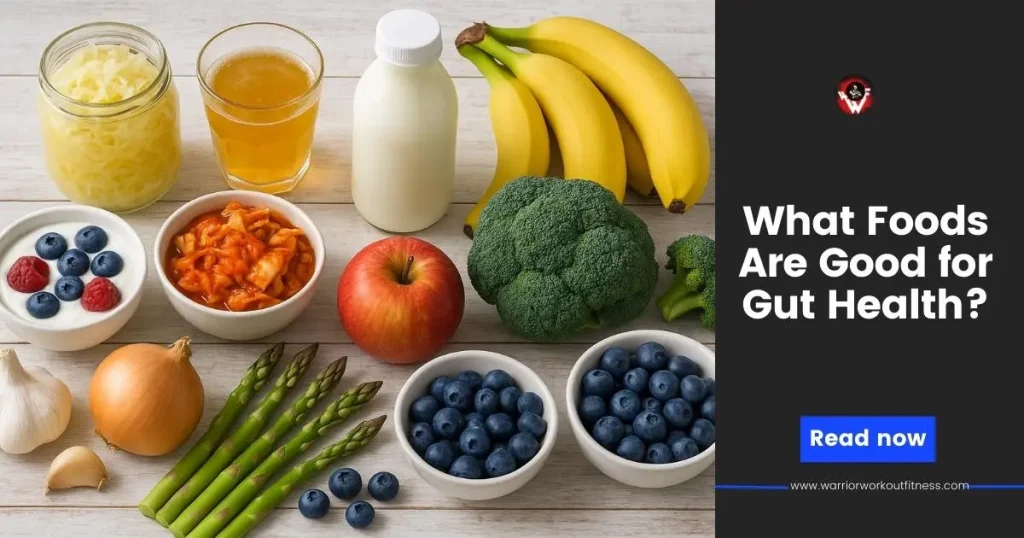
Here’s a handy table you can reference anytime you wonder what foods are best for your gut health:
| Food | Gut Health Benefit | Best Way to Consume |
|---|---|---|
| Yogurt | Provides live probiotics for digestion | Choose plain, unsweetened; enjoy with fruit |
| Sauerkraut | Supports microbiome diversity | Add 2 tbsp to salads or sandwiches daily |
| Kimchi | Reduces bloating, supports immunity | Pair with rice, soups, or as a side dish |
| Kefir | High probiotic count, aids lactose digestion | Drink plain, blend into smoothies |
| Garlic | Natural prebiotic to feed good bacteria | Use raw in dressings or lightly cooked |
| Bananas | Gentle fiber and prebiotics for balance | Eat ripe or add to oatmeal and smoothies |
| Berries | Rich in polyphenols to reduce inflammation | Snack fresh, add to yogurt or salads |
Fermented Foods for Gut Health
If you had to choose one category of foods to supercharge your gut, fermented foods would top the list. Fermentation is a natural preservation process where beneficial bacteria (like Lactobacillus) break down sugars and starches. This process produces probiotics, which populate your gut with friendly microbes.
Why Probiotics Matter
- They help restore balance after antibiotics.
- They reduce gas and bloating by breaking down food more efficiently.
- They boost nutrient absorption, especially vitamins B and K.
- They play a role in reducing inflammation and supporting mental health.
Top Fermented Foods to Include Daily
- Yogurt: A classic probiotic source—opt for plain, unsweetened versions with “live and active cultures” on the label.
- Kefir: A fermented milk drink that contains up to 30 different strains of bacteria and yeasts.
- Sauerkraut: Just 2 tablespoons a day can introduce billions of beneficial microbes.
- Kimchi: A spicy Korean staple rich in probiotics plus vitamins A, C, and K.
- Kombucha: A fermented tea that offers probiotics along with antioxidants.
👉 Practical Tip: Add one serving of fermented food per meal—for example, kefir in the morning, sauerkraut with lunch, and a glass of kombucha with dinner.
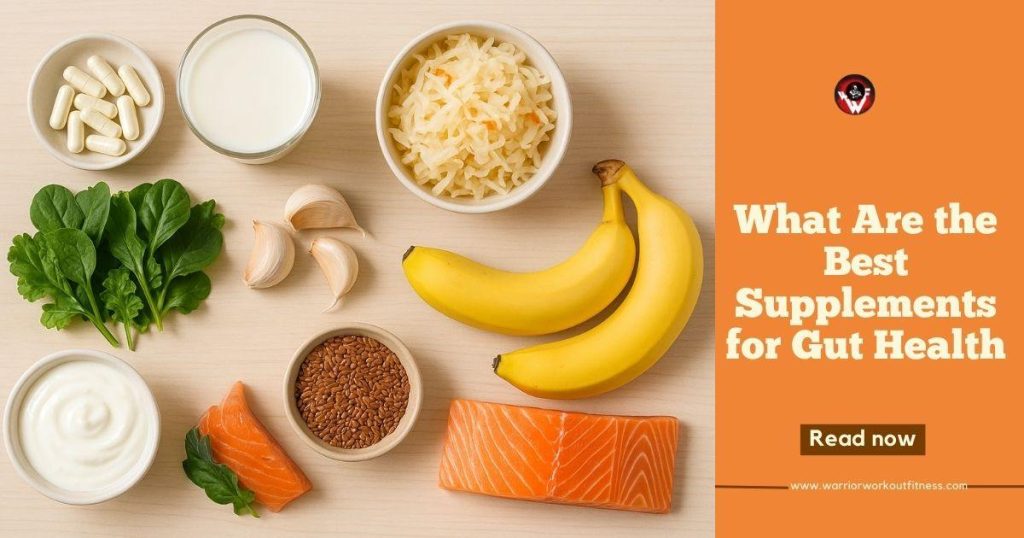
Related : What Are the Best Supplements for Gut Health
Good Probiotic Foods For Gut Health
Not all gut-healthy foods are fermented. Some naturally contain live bacteria or can be excellent vehicles for probiotics.
Examples of Probiotic-Rich Foods
- Miso: A Japanese paste made from fermented soybeans—great for soups and marinades.
- Tempeh: A firm, fermented soybean cake that’s a rich source of plant-based protein.
- Pickles: Naturally fermented cucumbers (choose vinegar-free varieties).
- Yogurt: Still one of the most convenient ways to get daily probiotics.
Storage & Potency Tips
- Keep refrigerated—heat destroys probiotics.
- Check expiration dates, as potency decreases over time.
- Look for labels that mention “live cultures” or specific strains like Lactobacillus acidophilus or Bifidobacterium bifidum.
Related: 15 Ways to Increase Good Bacteria
Foods to Avoid for Gut Health
What you don’t eat is just as important as what you do. Certain foods disrupt your microbiome, feeding harmful bacteria and increasing inflammation.
- Ultra-processed foods: Loaded with preservatives and low in fiber.
- Swap: Instead of packaged snacks, try roasted chickpeas or nuts.
- Artificial sweeteners (like aspartame, sucralose): Linked to gut imbalance and glucose intolerance.
- Swap: Use small amounts of raw honey or stevia.
- Fried foods: Hard to digest and inflammatory.
- Swap: Opt for baked or air-fried versions.
- Sugary sodas: Feed harmful bacteria.
- Swap: Enjoy sparkling water with lemon or kombucha.
Best Diet for Microbiome
Building a diverse microbiome requires a balance of prebiotics (fiber that feeds good bacteria) and probiotics (live bacteria). Here’s a 7-day sample plan:
| Day | Breakfast | Lunch | Dinner | Snacks |
|---|---|---|---|---|
| 1 | Kefir smoothie with banana & berries | Quinoa salad + sauerkraut | Salmon with broccoli & kimchi | Handful of almonds |
| 2 | Oats with chia, flax, & blueberries | Lentil soup with whole-grain bread | Tempeh stir-fry with garlic & ginger | Apple slices with almond butter |
| 3 | Yogurt parfait with granola & kiwi | Chickpea salad with pickled veggies | Grilled chicken + asparagus | Kombucha + walnuts |
| 4 | Avocado toast + miso soup | Brown rice bowl with kimchi & tofu | Baked salmon with sauerkraut | Banana + dark chocolate |
| 5 | Smoothie with kefir & spinach | Hummus wrap + pickled beets | Lentil curry + garlic naan | Berries with coconut yogurt |
| 6 | Chia pudding with berries | Quinoa + roasted veggies + kimchi | Grilled shrimp with broccoli slaw | Handful of pistachios |
| 7 | Scrambled eggs with sautéed spinach | Mediterranean salad + olives & miso | Roast chicken with garlic Brussels | Yogurt with flaxseed |
Lean Bacteria Foods & Vegetables
When nutritionists talk about “lean bacteria,” they mean microbial populations associated with lower levels of inflammation, healthier metabolism, and better weight balance. Certain foods naturally promote these bacteria.
Best Lean Bacteria Foods
- Legumes: Lentils, chickpeas, beans—great sources of resistant starch.
- Leafy Greens: Spinach, kale, arugula—rich in fibers and antioxidants.
- Whole grains: Oats, quinoa, barley.
Gut-Friendly Vegetables
- Asparagus – Rich in inulin, a prebiotic fiber.
- Garlic & Onions – Support beneficial bacteria growth.
- Broccoli & Cauliflower – Provide fiber plus sulforaphane, a powerful anti-inflammatory compound.
Best Fruits for Gut Health
Fruits supply soluble fiber, antioxidants, and prebiotics that “feed” your gut bacteria.
- Bananas: Contain resistant starch, especially when slightly green.
- Apples: Pectin fiber acts as a prebiotic.
- Berries (blueberries, raspberries, strawberries): Polyphenols nourish beneficial microbes and reduce inflammation.
- Kiwi: A natural digestive aid thanks to its fiber and enzyme actinidin.
👉 Tip: Combine fruits with fermented foods for synergy—try yogurt with berries or kefir with kiwi.
Practical Tips for Everyday Gut Health
- Morning routine: Start with warm lemon water or 1 tbsp apple cider vinegar in water to gently awaken digestion.
- Meal timing: Eat at consistent times to regulate circadian rhythms and digestion.
- Stress management: Chronic stress harms gut bacteria—practice mindfulness, yoga, or journaling.
- Sleep: Aim for 7–9 hours, as poor sleep reduces microbiome diversity.
- Hydration: Water supports fiber digestion and regular bowel movements.
FAQs
Are fermented foods safe for everyone?
Most people tolerate them well, but if you’re new, start with small amounts to avoid bloating. People with histamine intolerance may need to limit certain fermented foods.
How long does it take to improve gut health?
Some people feel better within a week, while deeper microbiome changes can take 3–6 months of consistent habits.
Can I overeat probiotics?
Too much can cause gas, bloating, or loose stools. Balance is key—start small and increase gradually.
Do I still need supplements if I eat probiotic foods?
Not always. Whole foods provide probiotics plus fiber, vitamins, and minerals. Supplements can help after antibiotics or for targeted strains.
CTA
Your gut health is the foundation of your energy, mood, and immunity. The good news? Small, consistent choices—like adding a spoonful of sauerkraut, a handful of berries, or a daily glass of kefir—can make a massive difference over time.
🌱 Start today: swap one processed snack for a gut-friendly food and notice how your body feels.
👉 Want extra support? Download our free gut health meal plan PDF and take the guesswork out of building a microbiome-friendly diet.
About The Author