
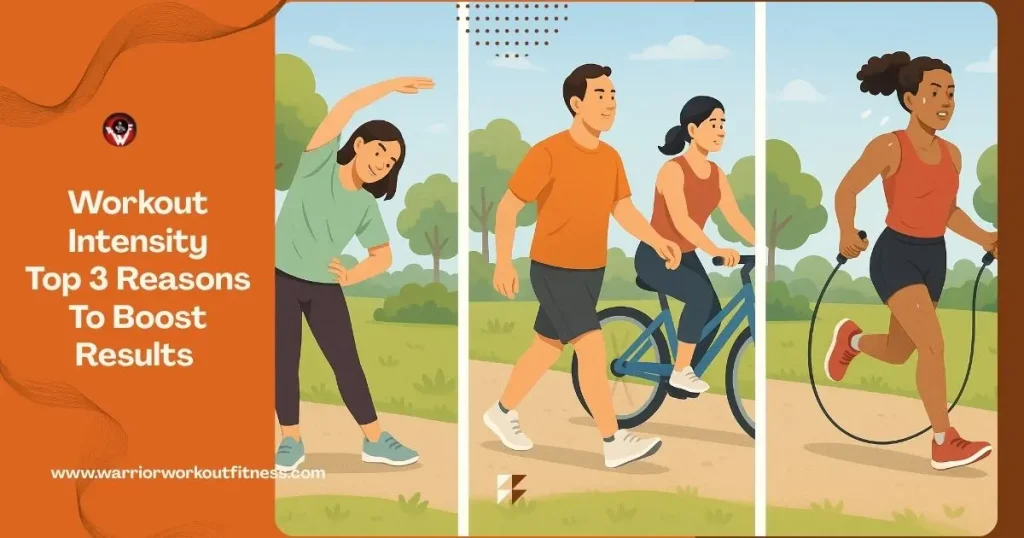
Increase Your Workout Intensity: For Better Results
When it comes to achieving your fitness goals, increase your workout intensity plays a vital role in accelerating your progress. Whether your aim is to lose weight, build muscle, or enhance athletic performance, raising the intensity of your workouts can be the key to achieving faster and more sustainable results. This article will explore why increasing your workout intensity can make a difference in your fitness journey, and how to do so safely and effectively.
What is Workout Intensity?
Workout intensity refers to how hard your body is working during a workout. It is typically measured using indicators like heart rate, the rate of perceived exertion (RPE), or the amount of weight lifted. The higher the intensity, the more effort required—whether by lifting heavier weights, increasing the speed of your movements, or tackling more challenging exercises. Increasing your workout intensity is essential for pushing your limits, and it is directly linked to better results like increased muscle strength, fat loss, and improved cardiovascular health.
Reason 1: Increase Your Workout Intensity to Burn More Calories
One of the main advantages of increasing your workout intensity is the enhanced calorie burn. When you work harder, your body burns more calories—whether you’re sprinting, lifting heavier weights, or performing high-intensity exercises. This increase in calorie expenditure is especially beneficial if your goal is fat loss.
High-Intensity Interval Training (HIIT) and Calorie Burn
High-Intensity Interval Training (HIIT) is one of the most effective ways to increase your workout intensity and burn more calories. HIIT involves alternating between short, intense bursts of activity and periods of rest or lower-intensity movements. Not only does HIIT burn a substantial number of calories during the workout, but it also boosts your metabolism, enabling you to continue burning calories for hours after the session.
Some great HIIT exercises include sprints, burpees, mountain climbers, and squat jumps. These exercises engage multiple muscle groups and keep your heart rate elevated, maximizing fat loss while improving cardiovascular fitness.
Reason 2: Increase Your Workout Intensity for Muscle Growth
If your goal is to build muscle, increasing your workout intensity is crucial. Lifting heavier weights or adding resistance challenges your muscles to adapt to the increased load. This process stimulates muscle fibers, ultimately leading to muscle growth.
Weight Training and High Intensity
Weight training is a powerful way to build muscle, and doing it at higher intensity promotes muscle hypertrophy (growth). By consistently pushing your muscles to lift heavier weights, you force them to recruit more muscle fibers, which accelerates the process of building strength and mass.
For example, a progressive weight training routine might involve exercises such as squats, deadlifts, and bench presses. By gradually increasing the weight, these exercises engage large muscle groups, which helps to maximize muscle fiber recruitment and promote faster growth.
Reason 3: Increase Your Workout Intensity to Boost Endurance
Improving your endurance is another key benefit of increasing your workout intensity. When you consistently push yourself to higher intensities, your body becomes more efficient at using oxygen and energy during exercise. This leads to better cardiovascular health, more stamina, and enhanced performance in endurance sports.
Endurance Workouts for Stamina
Endurance-based workouts, such as long-distance running, cycling, or swimming, require sustained moderate-to-high intensity efforts. These activities help to increase your body’s ability to perform over extended periods, building stamina and boosting overall athletic performance.
Cross-training—engaging in various forms of exercise—can also enhance your endurance. For example, mixing cycling with strength training or yoga can improve both your cardiovascular stamina and muscular strength, making you more well-rounded as an athlete.
Read This Blog Also :
Other Benefits of Increasing Your Workout Intensity
While the physical benefits of increasing your workout intensity are significant, there are also important mental and long-term health advantages.
Mental Benefits
Increasing your workout intensity requires mental focus, discipline, and determination. Pushing yourself through high-intensity workouts can help relieve stress, boost your mood, and improve mental clarity. The sense of accomplishment gained from meeting the challenge of higher-intensity exercises can improve your overall mental well-being.
Long-Term Health Benefits
Increasing your workout intensity over time can yield long-term health benefits. It can improve heart health, increase metabolic efficiency, and enhance insulin sensitivity. Additionally, increasing workout intensity helps to strengthen bones, lower the risk of chronic conditions like diabetes and cardiovascular disease, and can contribute to increased life expectancy.
How to Safely Increase Your Workout Intensity
While raising your workout intensity can bring significant benefits, it’s important to do so gradually and safely to avoid injury or overtraining. Here are some tips to increase your workout intensity safely:
- Start Slowly: If you’re new to high-intensity training, begin with moderate intensity and gradually increase it as your body becomes accustomed to the demands.
- Focus on Form: As you increase the intensity, especially with weightlifting or faster movements, maintaining proper form is essential to prevent injury.
- Allow Adequate Recovery: Ensure your body has time to rest and recover between intense workouts. Overtraining can lead to burnout or injury.
- Track Your Progress: Use fitness trackers or heart rate monitors to gauge the intensity of your workouts and track improvements over time.
FAQs
What Are the Three Intensities of Exercise?
Exercise intensity refers to how hard the body works during physical activity. It is commonly divided into three main levels: low intensity, moderate intensity, and high intensity. Each intensity level benefits the body in different ways and is suitable for different fitness goals and physical conditions.
Low-intensity exercise involves gentle movements that require minimal effort and do not significantly increase breathing or heart rate. During this type of activity, a person can talk and sing comfortably while exercising. Examples include slow walking, gentle stretching, light household chores, or casual yoga. Low-intensity activities are ideal for beginners, older adults, or individuals recovering from injury or illness. They help improve flexibility, joint mobility, and circulation while reducing stress and promoting relaxation.
Moderate-intensity exercise causes noticeable increases in heart rate and breathing, but conversation remains possible, although singing becomes difficult. Examples include brisk walking, easy cycling, swimming at a steady pace, dancing, or doubles tennis. This intensity level strengthens the heart and lungs, boosts endurance, aids in weight management, and reduces the risk of many chronic diseases such as diabetes and hypertension. Health organizations often recommend at least 150 minutes per week of moderate exercise for general fitness and disease prevention.
High-intensity exercise involves vigorous effort where breathing becomes deep and rapid, and speaking more than a few words at a time is difficult. Activities include running, fast cycling, competitive sports, jumping rope, or high-intensity interval training (HIIT). High-intensity workouts burn more calories in shorter periods and greatly improve cardiovascular fitness, muscle strength, and stamina. However, these exercises require good physical conditioning and proper warm-up to avoid injury.
Understanding the three exercise intensities helps individuals choose activities that match their fitness level and goals. A balanced exercise routine often combines all three intensities for maximum health benefits.
What Are the Big Three Benefits of Physical Activity?
Physical activity provides many advantages, but the three most important benefits are improved physical health, better mental well-being, and enhanced quality of life.
The first major benefit is improved physical health. Regular exercise strengthens the heart, lungs, muscles, and bones, improving overall body function. Physical activity helps control weight by burning calories and increasing metabolism. It also reduces the risk of chronic diseases such as heart disease, type-2 diabetes, obesity, osteoporosis, and certain cancers. Exercise improves blood circulation, regulates blood pressure, and increases energy levels. Stronger muscles and better balance reduce the risk of injuries and falls, especially among older adults. Over time, physically active people are more likely to remain independent and free from disability.
The second major benefit is better mental well-being. Exercise has a powerful effect on the brain. Physical movement triggers the release of endorphins, which are natural chemicals that improve mood and reduce stress, anxiety, and depression. Regular activity can improve sleep quality, boost self-confidence, and enhance concentration. People who exercise often feel more positive about themselves and are better equipped to handle emotional challenges. Activities such as walking, yoga, and team sports also provide opportunities for relaxation and emotional balance.
The third major benefit is an enhanced quality of life. Physical activity increases energy, endurance, and flexibility, making everyday tasks easier and more enjoyable. Being active allows people to participate socially, enjoy hobbies, travel, and remain productive as they age. Exercise improves posture, appearance, and coordination, contributing to greater self-esteem. Social interactions during group workouts or sports further improve life satisfaction and reduce feelings of loneliness.
In conclusion, physical activity is essential for healthy living. By improving physical health, strengthening mental well-being, and enriching overall quality of life, exercise plays a key role in creating a longer, happier, and more active life.
Conclusion
Increasing your workout intensity is one of the most effective ways to achieve faster and more sustainable fitness results. Whether your goal is fat loss, muscle gain, or improved endurance, raising the intensity of your workouts can significantly speed up progress. Just make sure to do it safely and progressively, ensuring you have enough recovery time between high-intensity sessions. By consistently challenging yourself and increasing your workout intensity, you’ll see impressive changes in your fitness journey.
FAQs:
1. What is workout intensity, and why is it important?
Workout intensity refers to the level of effort required during exercise, measured by factors like heart rate, weight lifted, or perceived exertion. Increasing your workout intensity is important because it helps you push your body to adapt faster, leading to improved muscle growth, better calorie burn, and enhanced endurance.
2. How can I safely increase my workout intensity?
To safely increase your workout intensity, start gradually by adding more weight, speed, or resistance. Focus on maintaining good form to prevent injuries, allow adequate recovery time between sessions, and track your progress with a fitness tracker to ensure you’re challenging yourself without overdoing it.
3. Can I see results faster by increasing my workout intensity?
Yes, increasing your workout intensity can lead to faster results. By challenging your body with higher intensity, you burn more calories, build muscle faster, and improve endurance, helping you reach your fitness goals in less time.
4. Is it safe to increase workout intensity every week?
It’s safe to increase your workout intensity gradually over time, but make sure to listen to your body. Increasing intensity too quickly can lead to overtraining or injury. It’s essential to allow rest and recovery between sessions, and aim for steady progress rather than drastic jumps in intensity.
5. What are some examples of exercises to increase workout intensity?
Exercises like sprints, burpees, kettlebell swings, deadlifts, and squat jumps are great for increasing workout intensity. These exercises engage multiple muscle groups and elevate your heart rate, maximizing fat loss and promoting muscle growth, making them ideal for a high-intensity workout.
Reference
Mayo Clinic – Exercise Intensity: How to Measure It
This resource from the Mayo Clinic offers guidance on understanding and measuring exercise intensity. It emphasizes the importance of gradually increasing workout intensity to avoid injury and achieve optimal health benefits.
👉 Read the full article here
Verywell Fit – Volume vs. Intensity in Weight Training
Verywell Fit discusses the balance between volume and intensity in weight training. It explains how adjusting intensity can lead to increased calorie burn, improved cardiovascular health, and enhanced muscle strength.
👉 Read the full article here
Follow Us : Facebook, Instagram
About The Author