
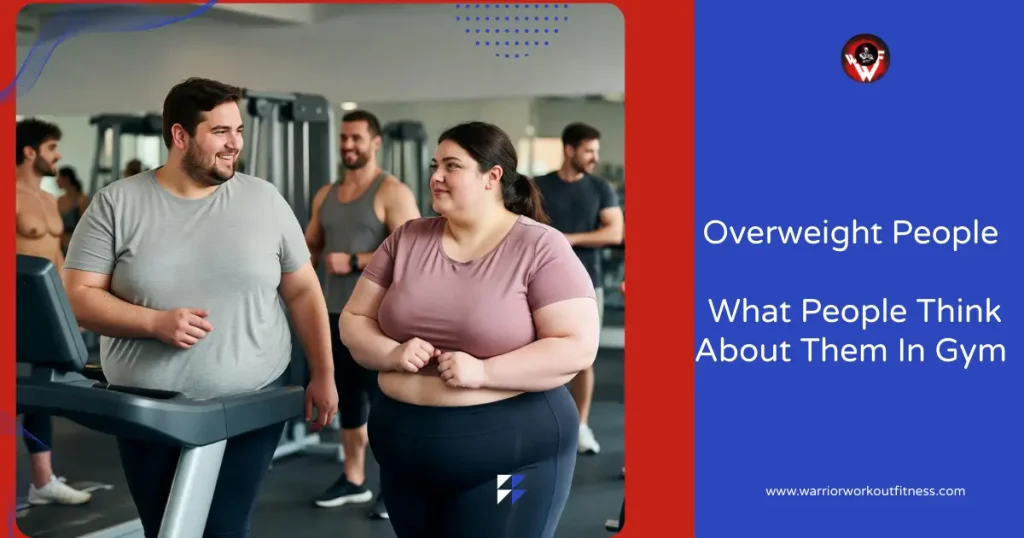
Introduction: Why This Conversation Matters
Hey, walk into any gym these days in 2025, and you’ll see things have changed a bit—not just the fancy machines or apps tracking your steps, but the whole vibe. Working out isn’t all about chasing perfect abs or posting mirror selfies anymore. It’s more about feeling good, taking care of your mind, and just being part of a group that supports each other.
But I get it—plenty of overweight people still feel nervous about stepping through those doors. You see it all over social media: folks asking, “What do fit people really think about overweight people at the gym?” It’s a raw question, coming from a place of real worry, and it shows how much the gym atmosphere can mess with someone’s confidence.
What I want to do here is share the real story, based on what tons of people say online (like on Reddit and forums), some studies on how folks feel, and just common experiences. The truth? Most gym regulars are actually cheering for overweight people who show up. They think things like, “Good for you— that’s awesome you’re here starting something.” Or, “I respect anyone putting in the effort, no matter where they’re at.” I’ve seen threads where fit guys and gals say they secretly root for the bigger folks, knowing how tough that first step can be.
Sure, nobody’s staring or judging like you might fear—everyone’s usually too busy with their own sweat session. And yeah, there might be a rare jerk, but the overwhelming vibe from real gym-goers is positive. They know everyone starts somewhere, and seeing someone overweight pushing through inspires them too.
The goal? Let’s make gyms places where everyone feels welcome, no matter your size or how new you are. Overweight people belong there just as much as anyone—it’s about getting healthier and happier, together. If you’re hesitating, give it a try. You’ll probably find more smiles and nods than anything else. You’ve got this!
Related Post : What Should Be the Ideal Age to Start Working Out
Inclusive Gym Culture For Overweight People
I’ve heard this question so many times from friends (and honestly, I’ve wondered it myself back when I was nervous about stepping into a gym for the first time). The truth is, it’s a mix. Sure, there are still spots where gym anxiety kicks in because of weight stigma or even a bit of fatphobia in fitness culture. Some people do glance or make you feel out of place, and that sucks—it can make anyone hesitant to show up.
But here’s the good news: things are changing for the better. More gyms are building a real supportive gym environment with body positivity at the heart of it. You’ll find trainers and members cheering each other on, no matter your size or experience level. Fitness inclusivity and diversity are becoming the norm in a lot of places, where the gym community focuses on everyone feeling comfortable and motivated.
If you’ve been holding back because of worries like this, know that there are tons of welcoming spots out there. Plenty of people—just like you—are starting their journeys, and the vibe is way more about support than judgment. You’re not alone, and showing up is already a win! What do you think—have your gym experiences felt inclusive lately?
Related Post: Warrior Workout: Full Body Workout for Fast Fat Loss
The Reality of Gym Perception in 2025
The Modern Gym Demographic
Recent numbers show something really interesting happening in the fitness world. According to Statista’s 2024 Global Fitness Report, more than 41% of new gym members say they’re coming back to exercise after a long gap, and 26% admit they’re overweight or obese. That’s the highest share we’ve seen so far, and it clearly shows that gyms are no longer just for hardcore fitness fans. More everyday people are walking through those doors, including overweight people who want to feel better, move more, and take care of their health.
Still, the emotional side of this journey can be tough. A 2024 Harvard Public Health study found that nearly 68% of overweight respondents feel self-conscious while exercising in public. Many worry about being judged by fitter members or feeling out of place. These feelings are very real, and they remind us that while more people are showing up for themselves, gyms still have work to do when it comes to making everyone feel comfortable and welcome.
Social Media’s Dual Role
On platforms like TikTok, Instagram Reels, and YouTube Shorts, you’ll see all kinds of gym-related content. Some videos are really motivating, showing real transformation stories and personal wins, while others sadly make fun of people who are just trying to get healthier. For overweight people, this difference matters a lot. It often comes down to how the online community behaves and what the gym truly stands for. Gyms that believe in kindness and respect create spaces where everyone feels welcome, no matter their body type, and that positive attitude shows up online too. When inclusion is part of the culture, the content feels supportive instead of judgmental, and that can make a huge difference for someone taking their first steps into fitness.
What Fit People Actually Think About Overweight People : Survey Insights & Psychology
Recent research makes it clear that weight stigma is still very real in fitness spaces, and it shapes how many overweight people experience exercise, even today. Weight stigma means being judged, stereotyped, or treated differently because of body size, and studies show it can quietly affect motivation, confidence, and the desire to work out in public. Many people in larger bodies report worrying about how they look while exercising or fearing negative reactions from others, which can take the joy out of movement and sometimes lead them to avoid gyms or group classes altogether. This doesn’t mean they don’t want to be active; rather, the stress of feeling watched or judged can make those spaces feel uncomfortable or unwelcoming.
Interviews with adults living with obesity add another layer to this picture. Some people describe stepping away from certain environments, like crowded gyms or school PE classes, because of past hurtful experiences or the expectation that similar moments might happen again. Over time, these memories and worries can push people to limit where and how they exercise. At the same time, research also shows resilience. Many overweight people stay active by choosing settings that feel safer to them, such as working out at home, going to the gym during quieter hours, or focusing on solo activities instead of group sessions.
Overall, the research points to a nuanced reality. While plenty of fit gym-goers report neutral or supportive feelings toward seeing people of all sizes exercise, the anticipation of judgment still weighs heavily on many individuals. Weight stigma doesn’t always show up as open hostility; often, it lives in subtle looks, comments, or past experiences that linger. For many overweight people, those small moments can make a big difference in how welcoming exercise feels.
Reference
- The Relationship between Weight Stigma
- Weight stigma experiences and self-exclusion from sport and exercise settings among people with obesity
- Examining the effects of implicit and internalized weight bias on physical activity cognitions for women in larger bodies
Overweight People’s Experiences: Social Pressure vs. Progress
Even though more people talk openly about gym anxiety now, it is still a very real hurdle for many, especially overweight people who are just trying to take that first step. Common worries include the fear of being judged or stared at, not knowing how to use the machines, or feeling like you do not belong in a space full of fit, confident faces. These thoughts can feel overwhelming before you even walk through the door.
But real stories from the gym floor tell a softer, more hopeful story. “The first week was the hardest,” shares Jordan R., 32, who lost 60 lbs over two years. “One woman cheered me on during my treadmill runs, and that small moment changed everything for me.” Another gym-goer, Alex M., puts it simply: “I wish I’d joined sooner, because most people were way too busy with their own workouts to care about what I was doing.”
These experiences remind us that the harshest judgments often live in our own heads. In reality, many people at the gym started out feeling the same way and are more understanding than we expect.
Related Post : Sugarcane Juice Nutrition
Why Inclusive Gym Culture Matters For Overweight People — Beyond Appearances
Inclusivity isn’t just about doing the right thing — it also makes real sense. Around the world, more than one billion people are living with obesity, and many of them, especially overweight people, stay away from gyms because these spaces often feel uncomfortable or judgmental. When gyms feel welcoming, people don’t just gain physical strength; they also see real improvements in mental well-being. From a business point of view, gyms that speak to people of all body types tend to keep their members longer and receive more word-of-mouth recommendations, which naturally supports steady growth and trust. Beyond numbers, inclusive gyms help create a sense of belonging, make conversations around mental health easier, and support long-term wellness instead of quick, pressure-filled transformations.
The Rise of Body Positivity and Fitness Diversity
From “No Pain, No Gain” to “All Bodies Welcome”
Data Snapshot
- TikTok’s #BodyPositiveFitness has over 2.4 billion views (2025).
- Searches for “inclusive gym near me” rose 118% YoY (Google Trends, 2025).
Practical Ways Gyms Can Be More Inclusive
Redesign the Environment
- Install privacy screens or gender-neutral changing areas.
- Offer equipment that accommodates all body types (e.g., reinforced benches).
Inclusive Language & Signage
Replace “Get beach-ready” with “Build your best health.”
Language shapes belonging.
Staff Training
Train staff on unconscious bias and inclusive client interaction.
Community Challenges
Create events celebrating effort — not aesthetics.
Example: “Consistency Challenge” rather than “Weight Loss Contest.”
Related Post : Black Coffee for Weight Loss
How Fit Members Can Support Inclusivity
Normalize All Fitness Levels
Post realistic workouts, not just highlight reels.
Join inclusive social campaigns or volunteer as a gym buddy.
Speak Up
If you see bullying or ridicule, report it. Silence protects stigma.
Overweight Gym-Goers: How to Overcome Anxiety & Thrive
Before You Start
- Visit during off-peak hours.
- Bring a supportive friend.
- Ask for an intro session to learn equipment.
Mindset Reframe
Focus on progress, not perfection.
Keep a workout log or smartwatch record to visualize improvements.
Remember: Everyone starts somewhere — even that super-fit person once struggled.
FAQs
Do fit people judge overweight people at the gym?
Most don’t. Surveys (2024) show nearly 80% of fit members feel supportive or inspired seeing others work out, regardless of size.
How can gyms create an inclusive culture?
By adopting inclusive language, staff training, body-neutral marketing, and accessible facilities.
Why do overweight people feel uncomfortable at gyms?
Social stigma and fear of judgment — though these perceptions are often internalized and not reflective of actual gym attitudes.
What are examples of inclusive gyms?
Planet Fitness, F45, and many independent studios now focus on diversity and judgment-free policies.
Can inclusivity improve gym profits?
Yes. Studies (IHRSA 2024) show inclusive gyms retain 23% more members and have higher satisfaction rates.
Conclusion: Toward a Truly Inclusive Gym Culture
A friendly gym culture reminds us that every fitness journey looks different, and every single one of them counts. Fitness isn’t about comparison — it’s about showing up, trying, and growing in your own way.
Key Takeaway: Fit people, on average, respect effort — not appearance. The real strength lies in showing up, again and again.
Call to Action
If you’re a gym owner, build inclusion into your brand DNA.
If you’re a fitness influencer, use your platform to uplift, not judge.
If you’re just starting your journey — walk in proudly. You’re part of the movement shaping a new era of inclusive fitness.
About The Author

Sprunki Incredibox adds a fresh twist to music mixing with new beats and visuals. It’s a great way to spark creativity. For more fun, check out Car Games too!
Great article! Finding a platform that prioritizes both fun and security is key. I’ve been exploring options in the Philippines, and ph222 vip seems to have a really user-friendly approach to online gaming – easy registration is a big plus!