
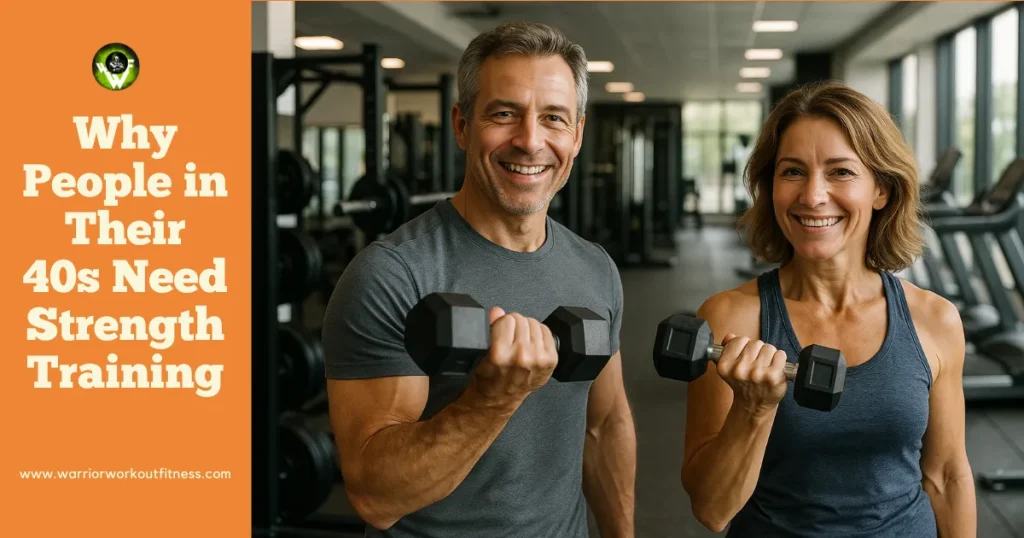
As we navigate through life, hitting the age of 40 often marks a major turning point—both physically and mentally. Many begin to notice subtle changes: a slower metabolism, increasing fatigue, loss of muscle tone, joint discomfort, and stubborn fat accumulation, especially around the belly. But there’s a powerful, science-backed solution that can effectively combat these age-related issues—strength training.
Strength training is no longer just for bodybuilders or athletes; it is a non-negotiable tool for healthy aging, particularly for those in their 40s and beyond. Whether you are a busy professional, a homemaker, or entering midlife with renewed goals, this article will reveal why strength training is essential in your 40s and how to implement it safely and effectively.
🏋️♀️ What Is Strength Training?
Strength training, also called resistance training or weight training, is any physical exercise designed to improve muscular strength and endurance. This can be done using:
- Free weights (dumbbells, barbells)
- Resistance machines
- Body weight (e.g., push-ups, planks)
- Resistance bands
Its primary goal is to increase lean muscle mass, bone density, and overall functional strength.
⌛ Why Muscle Mass Declines After 40
After age 30, muscle mass naturally declines at a rate of 3%–5% per decade—a condition known as sarcopenia. By your 40s, you may have already lost a noticeable portion of your muscle tissue, leading to:
- Lower resting metabolic rate
- Weight gain, especially around the abdomen
- Reduced insulin sensitivity
- Decreased physical performance
- Weaker joints and increased risk of falls
Strength training directly counters these effects by stimulating muscle protein synthesis and activating fast-twitch muscle fibers that normally degrade with age.
💪 Top 10 Benefits of Strength Training in Your 40s
1. Preserves and Builds Muscle Mass
Resistance training is the most effective way to maintain and even increase lean muscle, preventing age-related weakness.
2. Boosts Metabolism and Fat Loss
Muscle burns more calories than fat—even at rest. More lean mass = higher basal metabolic rate = sustainable fat loss, especially visceral belly fat.
3. Improves Insulin Sensitivity
Lifting weights improves glucose uptake by muscles, reducing the risk of type 2 diabetes—which spikes in men and women post-40.
4. Enhances Bone Density
Resistance training places load on bones, stimulating growth and reducing the risk of osteoporosis, particularly in women during and after menopause.
5. Reduces Risk of Chronic Diseases
Studies show strength training helps lower blood pressure, LDL cholesterol, and chronic inflammation—major risk factors for heart disease.
6. Improves Mental Health
Exercise, especially strength training, is known to reduce symptoms of anxiety and depression by releasing endorphins and improving self-image.
7. Increases Functional Strength
From carrying groceries to lifting luggage, strength training improves your daily life. It enhances core stability, balance, and mobility.
8. Delays Aging at the Cellular Level
Strength training promotes mitochondrial health and reduces oxidative stress, key factors in the aging process.
9. Improves Sleep Quality
Resistance training has been shown to improve deep sleep and reduce insomnia, a common complaint after 40.
10. Enhances Hormonal Balance
Testosterone, estrogen, and growth hormone all decline with age. Strength training helps optimize hormone levels, supporting vitality and libido.
🔄 Strength Training vs. Cardio: What’s Better at 40?
While cardio is important for cardiovascular health, excessive cardio alone may accelerate muscle loss. Here’s a quick comparison:
| Feature | Strength Training | Cardio |
|---|---|---|
| Muscle Growth | ✅ Yes | ❌ No |
| Metabolic Boost | ✅ Long-lasting | ✅ Short-term only |
| Bone Health | ✅ Excellent | ⚠️ Limited |
| Fat Loss Support | ✅ Efficient | ✅ Moderate |
| Joint Impact | ✅ Low (with good form) | ⚠️ Higher with running |
Best practice? Combine both, but prioritize 2–4 sessions of strength training per week for maximal benefit.
📅 How Often Should You Strength Train in Your 40s?
Experts recommend the following training schedule:
- Beginners: 2–3 full-body sessions/week
- Intermediates: 3–4 sessions/week (split routine)
- Advanced: 4–5 sessions/week with periodization
Each session should include:
- 5–10 min warm-up
- Compound movements (squats, deadlifts, presses)
- Isolation work (bicep curls, triceps, calves)
- Core exercises (planks, leg raises)
- Cool down + stretching
Aim for progressive overload—increasing weights or reps over time.
🧩 Beginner-Friendly Strength Training Plan for 40+
Day 1 (Full Body):
- Squats – 3×12
- Push-ups – 3×10
- Bent-over rows – 3×12
- Plank – 3×30 seconds
Day 2 (Upper Body Focus):
- Dumbbell press – 3×10
- Lat pull-down – 3×12
- Lateral raise – 3×12
- Bicep curls – 3×15
Day 3 (Lower Body Focus):
- Lunges – 3×10 per leg
- Leg press – 3×12
- Calf raises – 3×20
- Deadlifts – 3×8
Rest at least one day between sessions and adjust intensity based on recovery.
⚠️ Common Mistakes to Avoid After 40
- Skipping Warm-ups – Cold muscles are prone to injury.
- Poor Form – Always prioritize form over heavy weights.
- Overtraining – Recovery is slower post-40. Sleep and nutrition are critical.
- Ignoring Mobility – Flexibility and joint health must be maintained.
- Training Like You’re 25 – Modify your intensity, recovery, and goals.
🩺 Medical Considerations & Safety for 40+
Before beginning any new training program, especially if sedentary or with medical conditions (like heart disease, hypertension, or arthritis), consult your doctor or a certified fitness professional.
- Joint support: Choose low-impact exercises if you have knee or shoulder pain.
- Osteoporosis: Avoid jerky movements; use controlled motions.
- Hypertension: Monitor your heart rate and breathing during lifts.
Always listen to your body. Pain is not progress.
🧠 Final Thoughts: Strength Training Is Your 40s Superpower
Turning 40 doesn’t mean slowing down—it means training smarter. Strength training is one of the most powerful tools available to preserve health, energy, and independence well into your 60s, 70s, and beyond.
✅ It builds muscle.
✅ It burns fat.
✅ It protects your bones.
✅ It boosts your hormones.
✅ It improves your mental health.
Start now. Even 2 sessions a week can transform your health trajectory.
You Can use Our Calculator : unique pace calculator, Free Diet Calorie Calculator
About The Author