
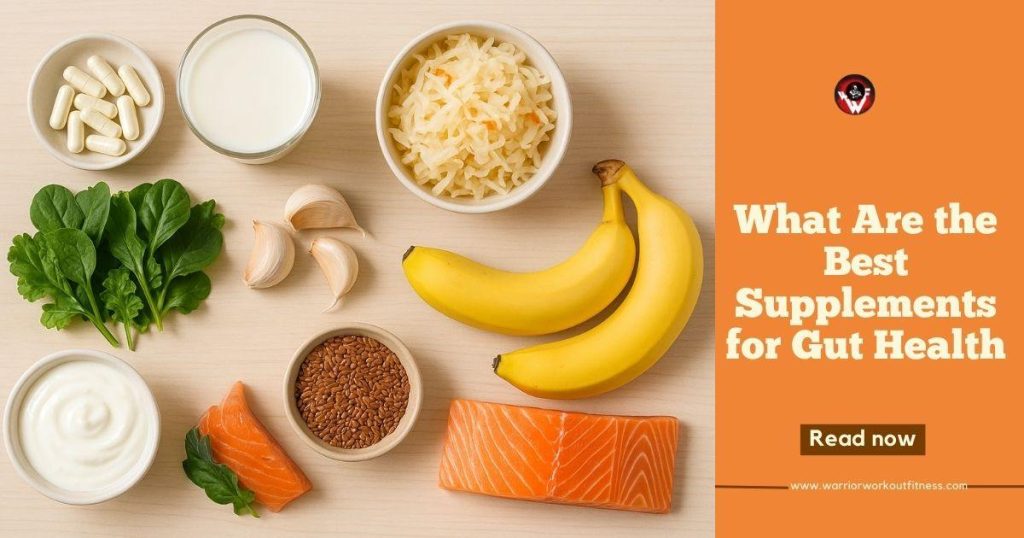
Introduction: Why Gut Health Is the Missing Link to Your Wellness
Feeling bloated, fatigued, or dealing with random skin breakouts? Your gut might be the reason.
The world of gut-health-supplements has exploded in recent years, and for good reason: your gut plays a central role in digestion, immunity, energy, mood, and even skin health. When your gut microbiome is balanced, you feel lighter, stronger, and more resilient. But when it’s off—hello bloating, brain fog, constipation, and inflammation.
This guide will help you cut through the noise and understand which dietary supplements for digestion truly make a difference, how to use them correctly, and the mistakes to avoid.
Quick Answer: Top 5 Gut Health Supplements
If you’re short on time, here are the five most effective supplements for gut health:
- Probiotics – restore healthy gut bacteria
- Prebiotics – feed probiotics and improve balance
- Digestive enzymes – help break down food and reduce bloating
- L-Glutamine – supports gut lining repair
- Omega-3 fatty acids – reduce gut inflammation
👉 Keep reading for a deep dive into each supplement, including best forms, dosages, and practical usage tips.
Related : 15 Ways to Increase Good Bacteria in Gut Naturally in 2025
Why Gut Health Matters
Your gut is home to over 70% of your immune system and trillions of bacteria known as the gut microbiome. This ecosystem influences far more than digestion—it impacts your mood, skin, immunity, and metabolism.
When the gut is healthy:
- Nutrients are absorbed efficiently
- Inflammation stays under control
- Energy levels remain steady
- Skin appears clearer
- The immune system functions properly
But when it’s imbalanced (dysbiosis), you may experience bloating, brain fog, frequent illness, or even chronic conditions.
Gut Health & Overall Wellness at a Glance
| Gut Function | Body Impact | Signs of Imbalance |
|---|---|---|
| Digestion & Nutrient Absorption | Energy, metabolism | Bloating, constipation |
| Immune Regulation | Defense against pathogens | Frequent colds, allergies |
| Gut-Brain Axis | Mood, focus, sleep | Anxiety, fatigue, brain fog |
| Skin Connection | Clear, hydrated skin | Acne, eczema, rashes |
YOU May Also Read : Caffeine Content in Crystal Light
Deep Dive: Best Gut Health Supplements
1. Probiotics
What it is: Live beneficial bacteria that restore gut balance.
How it works: Probiotics replenish friendly bacteria, reduce harmful strains, and support digestion and immunity.
Dosage: Typically 10–50 billion CFU daily; strain-specific benefits matter.
Who should/shouldn’t take it:
- ✅ Helpful for those with bloating, IBS, antibiotic recovery
- ❌ Avoid if immunocompromised without medical guidance
Tips: Combine probiotic supplements with good probiotic foods like yogurt, kefir, sauerkraut, kimchi, and miso for best results.
2. Prebiotics
What it is: Non-digestible fibers that feed probiotics.
How it works: Prebiotics act as “fertilizer” for gut bacteria, increasing beneficial strains.
Dosage: 3–5 grams daily from foods or supplements.
Food sources: Garlic, onions, leeks, bananas, asparagus, oats.
Who it’s for: Anyone wanting better microbiome balance.
Tip: Introduce slowly to avoid gas/bloating.
3. Digestive Enzymes
What it is: Proteins that break down carbs, fats, and proteins.
How it works: Supports food breakdown and nutrient absorption, easing bloating and heaviness after meals.
Dosage: 1 capsule with main meals (follow label instructions).
Who should/shouldn’t take it:
- ✅ Useful for people with low stomach acid, pancreatic insufficiency, or frequent bloating
- ❌ Not usually needed for those with strong digestion
Tip: Pair with mindful eating (chewing thoroughly).
4. L-Glutamine
What it is: An amino acid that fuels intestinal cells.
How it works: Strengthens the gut lining and reduces permeability (“leaky gut”).
Dosage: 2–5 grams daily, often in powder form.
Who it’s for: People with gut inflammation, IBS, or after illness.
Tip: Mix into smoothies or water for easy absorption.
5. Omega-3 Fatty Acids
What it is: Essential fats (EPA, DHA) found in fish oil and algae.
How it works: Reduce gut inflammation and support microbiome diversity.
Dosage: 1,000–2,000 mg daily of combined EPA + DHA.
Who it’s for: Anyone with inflammation, skin issues, or poor diet.
Food sources: Salmon, mackerel, chia seeds, flaxseeds, walnuts.
6. Zinc + Vitamin D
What it is: Key micronutrients for immunity and skin.
How it works:
- Zinc aids gut lining repair, reduces diarrhea risk.
- Vitamin D modulates the gut microbiome and lowers inflammation.
Dosage:
- Zinc: 10–30 mg daily
- Vitamin D: 1,000–2,000 IU daily (check blood levels)
Who it’s for: People with low immunity, skin flare-ups, or gut inflammation.
7. Collagen Peptides
What it is: Protein made of amino acids glycine, proline, and hydroxyproline.
How it works: Supports gut lining repair and reduces inflammation.
Dosage: 10–20 grams daily in powder form.
Tip: Add to coffee, smoothies, or soups—it dissolves easily.
8. Gut Microbiome Supplement Blends
What it is: Combination formulas of probiotics, prebiotics, and herbs.
Pros: Convenient, comprehensive support.
Cons: Quality varies, some may be overpriced or underdosed.
Tip: Look for transparent labeling with clinically studied strains.
Read This Also : leg press vs squat
Practical Gut Health Routine
Here’s how to fit supplements into your day:
Morning:
- Warm water with lemon
- Take probiotic supplement
Meals:
- Include fermented foods (sauerkraut, kimchi)
- Add high-fiber vegetables
Throughout the day:
- Stay hydrated (at least 8 glasses of water)
- Manage stress with breathing or light movement
Evening:
- Take L-glutamine or collagen for gut repair
- Light herbal tea for relaxation
Mini 7-Day Gut Reset Plan
- Breakfast: Overnight oats with chia, flax, and banana
- Snack: Kefir with berries
- Lunch: Quinoa bowl with roasted veggies and sauerkraut
- Snack: Apple with almond butter
- Dinner: Salmon with steamed broccoli and sweet potato
- Evening: Chamomile tea + collagen
Repeat with small variations for balance and consistency.
Common Mistakes to Avoid
- Taking random probiotics without knowing the strain-specific benefit
- Overusing antibiotics without gut repair support
- Relying on supplements while still eating highly processed foods
- Skipping fiber (probiotics need prebiotics to thrive)
FAQs About Gut Health Supplements
Q: What are the best probiotic strains for bloating?
A: Strains like Lactobacillus plantarum and Bifidobacterium lactis are well-studied for reducing bloating.
Q: Can supplements really fix gut health?
A: Supplements help, but diet and lifestyle (fiber, sleep, stress management) are equally crucial.
Q: How long does it take to see results?
A: Most people notice improvements in 2–6 weeks of consistent use.
Comparison Table: Gut Health Supplements
| Supplement | Function | Best For | Food Sources | Example |
|---|---|---|---|---|
| Probiotics | Add good bacteria | IBS, bloating, post-antibiotics | Yogurt, kefir, sauerkraut | Lactobacillus capsules |
| Prebiotics | Feed good bacteria | General gut health | Garlic, onions, bananas | Inulin fiber powder |
| Digestive Enzymes | Break down food | Bloating, indigestion | Papaya, pineapple | Enzyme blends |
| L-Glutamine | Gut lining repair | Leaky gut, IBS | Protein foods | Powder form |
| Omega-3s | Reduce inflammation | Skin, immunity | Salmon, chia | Fish oil capsules |
Conclusion: Start Small, Stay Consistent
Your gut is at the heart of your health—and gut-health-supplements can be powerful allies in restoring balance, reducing inflammation, and supporting digestion.
Remember:
- Start with one or two key supplements
- Pair them with gut-friendly foods
- Be consistent for at least a month
Your digestion, energy, and skin will thank you.
👉 Want to take the next step? Check out our detailed guide to gut-friendly recipes and probiotic-rich meals.
You May Also Read : zinc on empty stomach
About The Author