
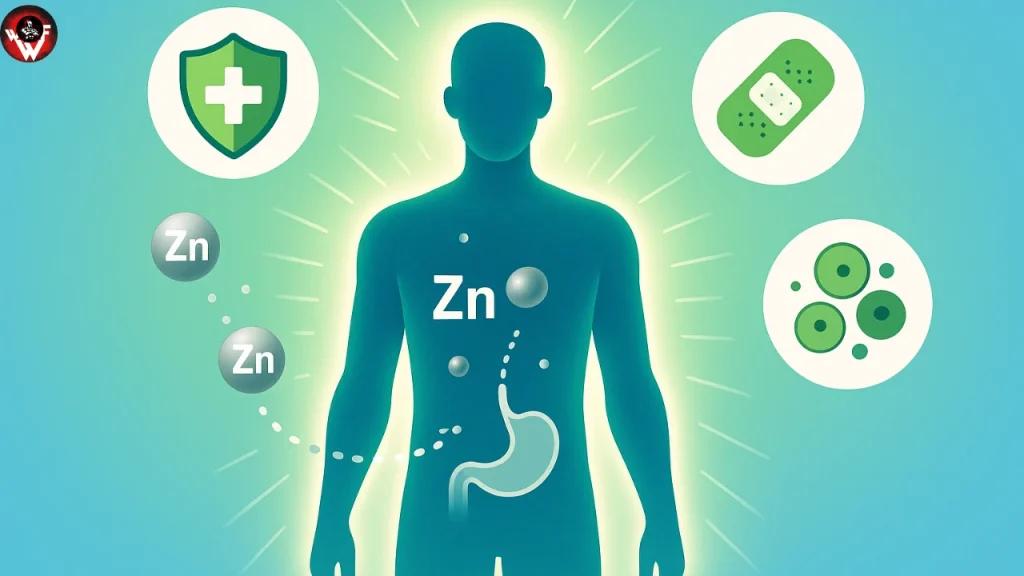
Taking zinc on an empty stomach has found interested because of its potential health benefits and optimum absorption. This discussion aims at highlighting the importance of zinc, its absorption mechanisms, and the effects of its consumptions without food.
Importance of Zinc
Zinc is an essential trace mineral, which plays a crucial role in many physiological functions including:
- • Immune Function: Zinc is important for an enhanced response to infection and helps in defending against infections
- •Wound Healing: It highly supports the repair and regeneration of tissues.
- •Taste and Smell: Proper amounts are necessary to maintain these senses; inadequacies indicate a damage to the senses.
- •Cell Growth and Division: Zinc plays an essential role in cellular functions; the associated symptoms in skin and reproductive systems get damaged.
Zinc deficiency leads to many types of health problems. Patients suffer from the following health symptoms like weakened immunity, slower healing of wounds, hair fall, loss of appetite, etc.
Absorption Dynamics of Zinc
The absorption of zinc is significantly affected by whether it is ingested on an empty stomach. Consuming zinc without food allows for more efficient absorption in the small intestine since there are no competing nutrients like calcium and iron that can inhibit its uptake. Optimal Timing for Zinc Intake-
To enhance zinc absorption:
- Take Zinc on an Empty Stomach: It is advisable to take zinc at least one hour before or two hours after meals to prevent interactions with food components that may reduce its bioavailability.
- Avoid Certain Foods: Foods high in fiber (such as bran) or phosphorus (found in dairy products) should be avoided around the time of zinc supplementation, as they can bind with zinc and diminish its absorption efficiency.
Benefits of Taking Zinc on Empty Stomach
Taking zinc on an empty stomach not only enhances its absorption but also provides several health benefits:
- Improved Immune Response: Regular supplementation may bolster immune function and potentially shorten the duration of colds. Research suggests that taking zinc within 24 hours of experiencing cold symptoms can significantly reduce illness duration.
- Enhanced Wound Healing: Sufficient zinc levels can accelerate recovery from injuries due to its role in tissue repair.
- Digestive Health: For individuals with digestive disorders that hinder nutrient absorption (like Crohn’s disease), taking zinc on an empty stomach may help alleviate some related symptoms.
Potential side effects taking zinc on empty stomach
While there are benefits to taking zinc on an empty stomach, it may also cause gastrointestinal discomfort in some individuals. Common side effects include:
- Nausea
- Heartburn
- Stomach cramps
These symptoms may arise because concentrated doses of zinc can irritate the stomach lining when taken without food. If discomfort persists, it might be wise to take zinc with a small amount of food or opt for a formulation that is gentler on the stomach.
Recommendations for Supplementation, For those considering zinc supplementation:
- Dosage: The tolerable upper intake level for adults is generally set at 40 mg per day. Exceeding this amount can lead to adverse effects, including copper deficiency and gastrointestinal distress.
- Formulation Matters: Different forms of zinc (like zinc citrate or zinc picolinate) may be better tolerated than others (like zinc sulfate), which can cause more irritation.
- Consult Healthcare Providers: Always seek advice from a healthcare professional before starting any new supplement regimen, especially if you have underlying health conditions or are taking other medications.
Conclusion of taking zinc empty stomach
Taking zinc on an empty stomach can significantly enhance its absorption and efficacy in promoting health. While it offers numerous benefits—particularly for immune function and wound healing—individuals should remain mindful of potential gastrointestinal side effects. By following recommended dosages and timing guidelines, one can maximize the advantages of this essential mineral while minimizing discomfort. Personalized guidance from healthcare professionals is crucial for optimizing nutritional supplementation strategies.
You may also know : Health Supplements : Should We Take It Or Not?
Visit our Facebook page